In today’s world, we’re becoming more conscious of the environmental impacts of our daily choices. One of the most significant contributors to plastic pollution is the widespread use of plastic in food storage. From single-use bags to plastic containers and wraps, we often find ourselves relying on plastic to store food for convenience. However, many of us are beginning to rethink our reliance on plastic, especially considering the health risks and the environmental harm associated with it.
Fortunately, there are numerous alternatives to plastic that are just as effective, if not better, when it comes to keeping food fresh and safe. If you’re looking to reduce your plastic usage in the kitchen, this article will guide you through a variety of eco-friendly options for storing food without plastic. Not only are these alternatives better for the planet, but they can also contribute to a healthier home environment.
The Problems with Plastic Food Storage
Before we dive into the alternatives, it’s essential to understand why plastic food storage is problematic. Plastics, especially single-use ones, are incredibly harmful to the environment. They take hundreds of years to break down and contribute significantly to landfill waste. In addition, plastics can leach harmful chemicals like BPA (Bisphenol A) into your food, which can disrupt hormone function and pose potential health risks. These issues, combined with the rise of plastic pollution in our oceans and landfills, have led to an increased demand for sustainable alternatives in food storage.
With this in mind, let’s explore a range of eco-friendly food storage options that are not only better for the environment but also safer for your health.
1. Glass Containers
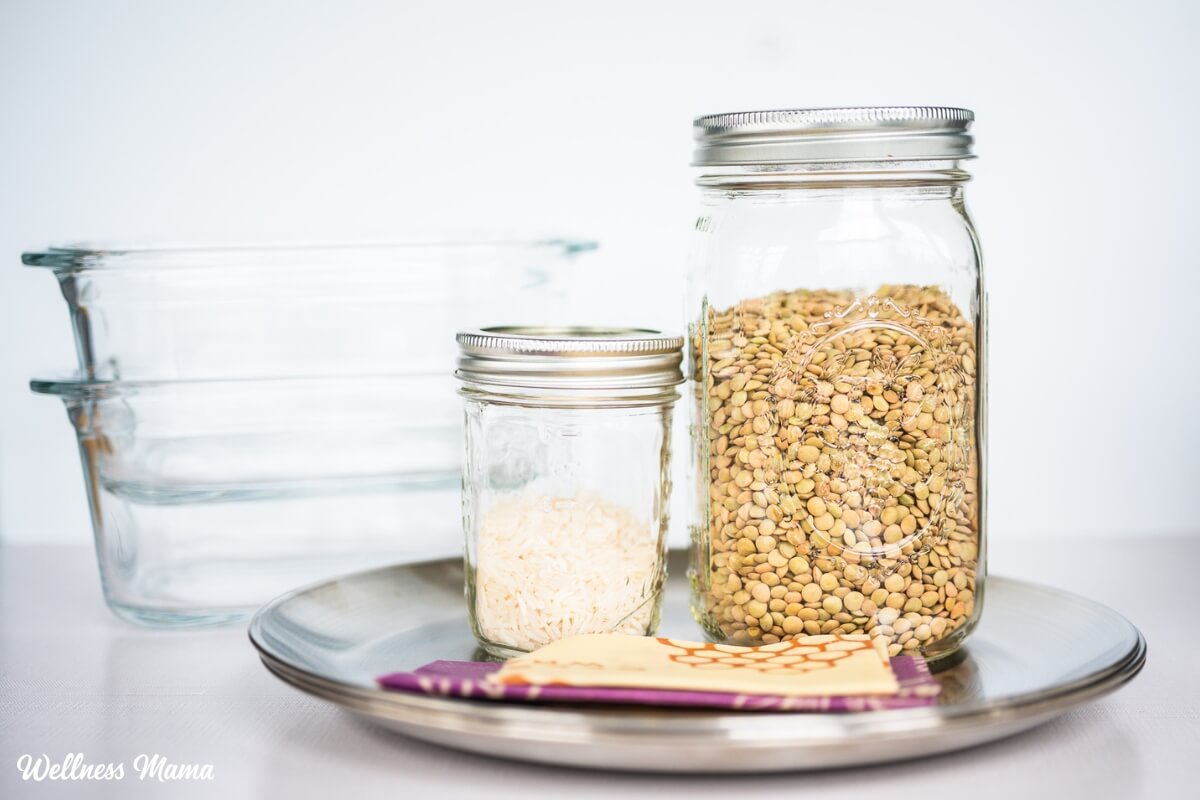
One of the most popular alternatives to plastic is glass. Glass containers are non-toxic, durable, and won’t leach harmful chemicals into your food. They are perfect for storing leftovers, meal prepping, and keeping dry goods fresh. Glass containers are also microwave and oven-safe, which adds to their versatility.
Additionally, glass is 100% recyclable, making it a more sustainable choice than plastic. You can even reuse glass jars and containers over and over again, making them a long-lasting investment for your kitchen.
For those who are concerned about breakage, there are now durable, tempered glass options that are less likely to shatter. Look for containers with airtight lids to help keep food fresher for longer.
2. Beeswax Wraps
Beeswax wraps have gained popularity in recent years as a sustainable alternative to plastic wrap. These wraps are made from cotton infused with beeswax, jojoba oil, and tree resin, which gives them a natural stickiness that allows them to adhere to food and containers.
Beeswax wraps are perfect for wrapping fruits, vegetables, cheese, bread, and even covering bowls. Unlike plastic wrap, which is a one-time-use product, beeswax wraps can be reused multiple times. Simply wash them with cool water and mild soap, and they’ll be ready to use again.
Besides being reusable, beeswax wraps are biodegradable, making them a great compostable option once they’ve reached the end of their lifespan. They also provide a chemical-free way to store food, which is better for your health and the environment.
3. Stainless Steel Containers
Stainless steel containers are another excellent plastic-free option for food storage. Like glass, stainless steel is durable, non-toxic, and doesn’t leach harmful chemicals into food. It is also incredibly long-lasting, meaning you won’t need to replace your containers frequently.
Stainless steel containers come in a variety of sizes and shapes, making them versatile for storing anything from snacks to leftovers to bulk foods. Many options also feature airtight seals to keep food fresh. Plus, stainless steel is a recyclable material, so you can rest assured that your food storage choices are not contributing to long-term waste.
4. Fabric Storage Bags
For bulk food storage or produce, fabric bags can be an ideal solution. These reusable bags are made from natural fibers like cotton, linen, or hemp, and are a great way to store grains, beans, pasta, and even fresh produce. Unlike plastic bags, which can trap moisture and cause produce to spoil quickly, fabric bags allow for proper airflow, helping to extend the shelf life of fruits and vegetables.
These bags are washable and reusable, making them a sustainable and cost-effective option in the long run. Plus, they are a great way to reduce your plastic bag usage, especially when grocery shopping.
5. Wooden or Bamboo Containers
For a more rustic approach, consider using wooden or bamboo containers to store dry foods. These natural materials are not only eco-friendly but also durable and aesthetically pleasing. Wooden boxes, bamboo baskets, and even wooden crates can be used to store everything from nuts and seeds to baked goods.
Bamboo, in particular, is a rapidly renewable resource, making it a sustainable choice for food storage. Additionally, bamboo containers tend to be lightweight and moisture-resistant, which makes them suitable for a variety of food storage needs.
6. Silicone Storage Bags
Silicone storage bags offer a flexible and reusable alternative to plastic bags. These bags are made from food-grade silicone, which is safe, durable, and resistant to high temperatures. You can use silicone bags for storing snacks, leftovers, or even for sous-vide cooking.
Unlike plastic bags, which can tear or degrade over time, silicone bags are incredibly sturdy and can be washed and reused for years. They’re also microwave and dishwasher safe, making them an incredibly convenient option for busy households.
7. Ceramic Containers
Ceramic containers are another excellent plastic-free option for food storage. They come in various sizes and styles, including beautiful handmade bowls and jars, making them both functional and decorative. Ceramic containers are perfect for storing grains, beans, or even as canisters for your kitchen counters.
Additionally, ceramic is non-toxic and doesn’t contain any chemicals like BPA, making it a safe and healthy option for storing food. If you’re looking for an aesthetically pleasing, sustainable way to store pantry staples, ceramic containers are a great option.
8. Composting and Zero-Waste Solutions
If you’re looking to go beyond just switching out plastic for other materials, consider adopting zero-waste practices in your kitchen. Composting food scraps is one of the easiest ways to reduce waste and give back to the environment. Instead of discarding vegetable peels, coffee grounds, and other organic materials, you can compost them and use them to fertilize your garden.
Zero-waste food storage solutions focus on using reusable, eco-friendly containers and eliminating single-use products entirely. This approach encourages mindful consumption and waste reduction, which benefits both your home and the planet.
Conclusion: Making the Switch to Plastic-Free Food Storage
By switching to plastic-free food storage alternatives, you can take small but impactful steps towards living a healthier, more sustainable lifestyle. Whether you choose glass containers, beeswax wraps, or bamboo baskets, there are plenty of eco-friendly options that will keep your food fresh while reducing your environmental footprint.
The key is to invest in high-quality, reusable materials that will last for years, helping you save money and reduce waste over time. Plus, by choosing non-toxic alternatives, you’ll be safeguarding your health and ensuring that harmful chemicals don’t seep into your food.
As we continue to prioritize sustainability in every area of our lives, making conscious choices in food storage is a simple and effective way to contribute to a greener future. So, the next time you’re ready to store leftovers or organize your pantry, think twice about reaching for that plastic container—and opt for something that’s better for both you and the environment.