
In a world where technology is omnipresent and we spend most of our time indoors, the simple act of connecting with the Earth seems almost revolutionary. But what if the ground beneath our feet could hold the key to better health and well-being? This idea, known as earthing or grounding, has gained increasing attention in recent years, with proponents suggesting it offers a range of health benefits, from improved sleep to reduced inflammation.
In this article, we’ll explore the practice of earthing, the science behind it, and how you can incorporate it into your daily life to reconnect with nature’s natural energy.
What is Earthing (or Grounding)?
Earthing, also referred to as grounding, is the practice of making direct physical contact with the Earth’s surface—whether by walking barefoot on grass, dirt, or sand, or by using grounding products such as mats or sheets. The theory behind earthing is that the Earth’s surface carries a mild, natural electric charge that can have positive effects on human health. When we connect with this charge, it is believed to help restore balance to our body’s own electrical systems.
The practice of earthing is rooted in the idea that modern living has disconnected us from nature. With the rise of synthetic materials like rubber shoes, insulated buildings, and electronic devices, we rarely come into contact with the Earth’s natural energy. By grounding ourselves, we may be able to reverse some of the negative effects of this disconnection.
The Science Behind Earthing
The Earth has a subtle electric charge that is thought to influence biological processes in the human body. When our bodies come into direct contact with the Earth, proponents of earthing suggest that we can absorb the Earth’s electrons, which may help neutralize harmful free radicals in our bodies.
Free radicals are unstable molecules that can cause oxidative stress, contributing to a variety of health issues, including chronic inflammation, aging, and cardiovascular disease. Grounding is believed to act as an antioxidant by neutralizing these free radicals, potentially reducing inflammation and improving overall health.
Studies on earthing have suggested that it may help regulate cortisol (the stress hormone), improve sleep, reduce inflammation, and even enhance circulation. While the research on grounding is still emerging, some studies have found that grounding may have a positive impact on both physical and psychological health.
Health Benefits of Earthing
- Reduced Inflammation and Pain Relief
One of the most well-documented benefits of earthing is its potential to reduce inflammation. Chronic inflammation is a key factor in many health conditions, including arthritis, heart disease, and autoimmune disorders. By reducing inflammation, earthing could help manage and alleviate pain, making it a natural remedy for those suffering from chronic pain conditions.
In several studies, people who practiced grounding reported a noticeable reduction in pain and inflammation, with some even experiencing long-term relief from conditions like osteoarthritis and muscle soreness.
- Better Sleep Quality
Sleep disturbances and poor sleep quality are often linked to elevated cortisol levels. Cortisol, which is produced by the adrenal glands, follows a daily rhythm that typically peaks in the morning and declines in the evening, allowing the body to wind down for sleep. Disruptions to this rhythm, often caused by stress or environmental factors, can interfere with sleep.
Earthing may help regulate the body’s natural circadian rhythms by reducing cortisol levels and promoting a more restful sleep cycle. Several studies have indicated that grounding can improve sleep quality by lowering cortisol at night, helping people fall asleep faster and experience deeper, more restorative rest.
- Enhanced Circulation
Another potential benefit of earthing is improved circulation. Some studies have shown that grounding can positively affect blood viscosity and circulation. By reducing blood thickness, earthing may lower the risk of blood clots and improve overall cardiovascular health. This could also contribute to better oxygen delivery throughout the body, which supports energy levels and reduces fatigue.
- Reduced Stress and Anxiety
Spending time outdoors, especially in natural environments, has long been associated with lower stress levels and a sense of calm. Earthing takes this a step further by promoting a direct electrical connection with the Earth, which can help reset the nervous system. It’s believed that grounding can activate the parasympathetic nervous system, which is responsible for the body’s “rest and digest” response, helping to calm stress and anxiety.
In fact, studies have shown that people who practice earthing often report feeling more grounded, centered, and relaxed, both physically and mentally. For those with high levels of chronic stress, grounding may offer a natural, effective way to alleviate tension and restore balance.
- Improved Immune Function
Some research suggests that earthing may enhance immune function by reducing inflammation and promoting better blood flow. This could help the body better defend against illness and infection, improving overall health and resilience. As grounding appears to reduce oxidative stress, it could also play a role in protecting the body from age-related diseases.
How to Practice Earthing
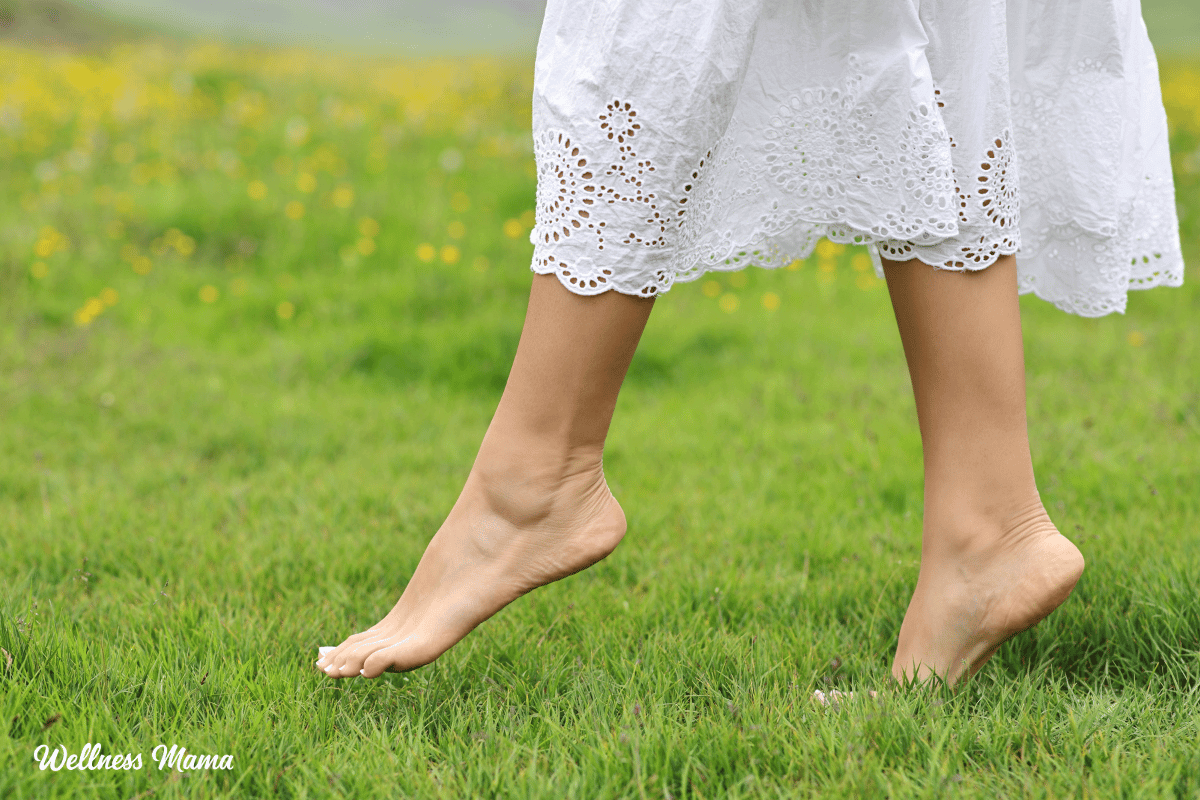
While the concept of earthing is simple, its benefits are not always immediately apparent. The most direct way to practice grounding is by spending time outdoors, barefoot on natural surfaces like grass, sand, or dirt. This allows your body to connect with the Earth’s energy without barriers.
Here are some practical ways to incorporate earthing into your daily life:
- Walk Barefoot Outdoors: The most basic form of grounding is simply walking barefoot on natural surfaces. Try to spend at least 15 to 30 minutes a day walking on grass, dirt, or sand. If you live in an area with limited access to outdoor spaces, try finding a local park or beach where you can reconnect with nature.
- Use Grounding Products: If you’re unable to spend time outside, grounding products like mats, sheets, and bands can help you stay connected to the Earth’s energy indoors. These products are designed to be plugged into a grounded outlet or a grounding rod placed in the Earth outside. By sleeping on a grounding sheet or sitting on a grounding mat, you can reap the potential benefits of earthing while at home or at work.
- Take a Grounding Bath: If you have access to a bathtub, another way to practice earthing is by soaking in a bath of Epsom salt or Himalayan salt. Salt is highly conductive, so adding it to your bathwater can enhance the grounding effect while you relax.
- Spend Time in Nature: Even if you’re not directly grounding yourself by walking barefoot, simply spending time in nature—whether hiking, sitting in a park, or visiting a beach—can provide psychological benefits. The natural environment has been shown to reduce stress and improve mood, so make an effort to connect with the outdoors whenever possible.
Is Earthing Right for You?
While earthing offers a range of potential health benefits, it’s not a one-size-fits-all solution. Everyone’s body is different, and what works for one person may not work for another. However, the simplicity of earthing makes it a low-risk practice that could have a positive impact on your health and well-being.
Before diving into earthing, consider incorporating some of these practices into your daily life, such as spending more time outside, reducing your exposure to electronic devices, or using grounding products. With minimal effort, you may find that reconnecting with the Earth is an easy and effective way to improve your overall health.
Conclusion
In our modern, technology-centric lives, the practice of earthing offers a refreshing return to nature’s simplicity. By reconnecting with the Earth’s natural energies, we may be able to reduce stress, improve sleep, alleviate pain, and enhance our overall well-being. While the science behind grounding continues to evolve, the potential benefits of earthing make it a practice worth exploring. Whether you choose to walk barefoot on grass or use grounding products indoors, grounding offers an easy and accessible way to foster better health—one step at a time.