
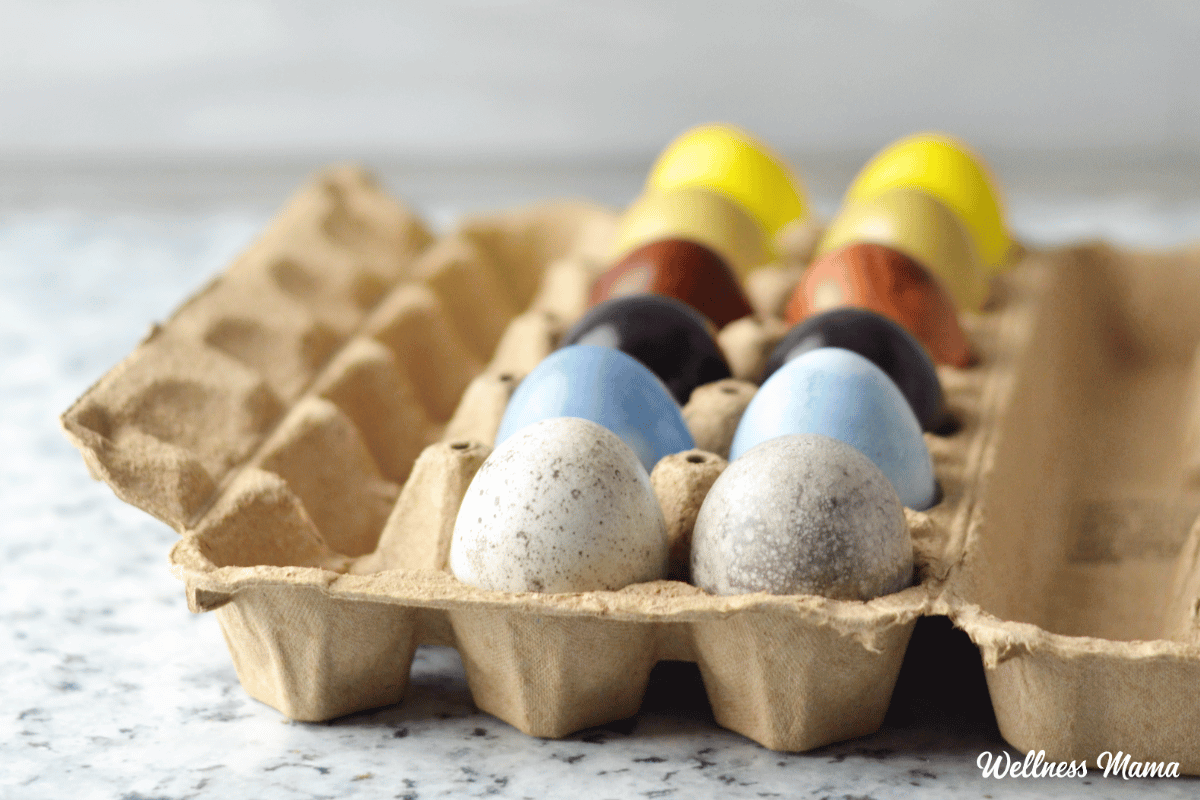
Easter is a time for celebration, and one of the most cherished traditions is dyeing Easter eggs. While the bright, artificial colors that come in store-bought kits may be convenient, they’re often packed with synthetic chemicals and dyes. If you’re looking to bring more natural beauty to your holiday, why not try dyeing your Easter eggs with ingredients that are both safer and more eco-friendly? Natural dyes made from fruits, vegetables, spices, and herbs are not only better for you, but they also produce stunning, one-of-a-kind results.
In this guide, we’ll explore how you can use everyday ingredients to create vibrant, natural hues for your Easter eggs. Whether you’re looking for an environmentally conscious way to celebrate or just want to get creative in the kitchen, natural egg dyeing is a fun and simple way to add some old-world charm to your festivities.
Why Choose Natural Dyes?
Before we dive into the “how-to,” let’s first explore the reasons behind opting for natural dyes instead of synthetic ones. Many conventional egg dyeing kits contain artificial colorants like FD&C Red 40 or Yellow 5, which may cause allergies or other health concerns, especially in young children. By using plant-based materials, you eliminate the risk of exposure to potentially harmful chemicals.
Natural dyes are not only safer, but they also have the advantage of being customizable. By mixing different ingredients or adjusting the steeping times, you can create a wide range of colors — from soft pastels to deeper, more vibrant hues. Plus, dyeing eggs naturally can be a great opportunity to teach children about nature and the wonders of plant-based dyes.
Ingredients for Natural Egg Dyes
You probably have most of the ingredients needed for natural dyes already in your kitchen or garden. The beauty of natural dyes is that they come from everyday plants and spices, which means you’re not just creating beautiful eggs, but also minimizing waste and supporting a more sustainable lifestyle. Here are some common ingredients to use for dyeing eggs:
- Red Cabbage: Produces a rich blue color when boiled.
- Turmeric: A bright, sunny yellow can be achieved from this vibrant root.
- Beets: Creates a lovely pink or purple shade, depending on the type.
- Onion Skins: These produce beautiful, earthy reddish-brown tones.
- Spinach: When boiled, spinach creates a soft green hue.
- Berries (blueberries, raspberries, blackberries): These fruits make excellent purple or pink shades.
- Coffee: If you prefer a more muted, brownish tone, coffee grounds can create a beautiful rustic look.
Step-by-Step Guide to Dyeing Easter Eggs Naturally
Now that we know what ingredients to use, let’s break down the process into simple steps that will help you create vibrant, beautiful eggs.
1. Boil Your Eggs
Before you start dyeing, you need to prepare the eggs. Gently place your eggs in a pot of cold water and bring them to a boil. Once boiling, reduce the heat and let them simmer for about 10 minutes. Afterward, transfer the eggs to an ice-cold bath to cool and stop the cooking process.
2. Prepare Your Natural Dyes
For each color, you’ll need a separate pot or bowl, depending on how many different colors you want to make. Here’s how to create the dyes:
- Red Cabbage: Chop about 2 cups of red cabbage and add it to a pot with 2 cups of water. Bring to a boil, then simmer for 10-15 minutes. The water will turn a purplish-blue color.
- Turmeric: Mix 3 tablespoons of turmeric with 2 cups of water. Simmer for 10 minutes, and the liquid will turn a golden yellow.
- Beets: Peel and chop 2 medium beets and place them in a pot with 2 cups of water. Boil for about 15 minutes until the water turns deep pink.
- Onion Skins: Take the skins from 2 large yellow onions and boil them in 2 cups of water for 20 minutes. The resulting dye will be a rich amber color.
- Spinach: Simmer 2 cups of spinach leaves in 2 cups of water for 10 minutes to create a soft green dye.
- Berries: Mash 1 cup of berries and add 1 cup of water. Simmer for 10-15 minutes until the liquid turns a deep purple or pink.
- Coffee: Brew a strong cup of coffee using about 2 tablespoons of coffee grounds and 2 cups of water. You’ll get a lovely brown shade.
Once your desired colors have been extracted, strain out any solid pieces so that only the colored liquid remains.
3. Dye the Eggs
Now it’s time to start dyeing! Carefully place your cooled hard-boiled eggs into the dye. The longer you leave the eggs in the dye, the more intense the color will be. If you’re looking for a pastel shade, leave them in for about 15-30 minutes. For a deeper, more vibrant color, you can let them soak overnight in the refrigerator.
Keep in mind that natural dyes may not give you the same vibrant, uniform colors as artificial dyes, but this is part of the charm. The colors will vary slightly from egg to egg, creating a beautiful, rustic look.
4. Dry and Admire
Once you’ve achieved the color you desire, carefully remove the eggs from the dye and place them on a towel or drying rack. Allow them to dry completely before handling.
If you want to add a little extra shine to your eggs, rub them gently with a small amount of olive oil once they’re dry. This step will give them a polished finish and bring out the natural colors even more.
Tips for Better Results
- Test your dyes first: Every dye behaves differently, so it’s helpful to test a small piece of egg or a scrap of fabric before you dye all of your eggs.
- Add vinegar: For brighter colors, you can add a tablespoon of white vinegar to the dye. The acid helps the colors adhere to the eggshell.
- Be creative: Experiment with combining different dyes to create custom shades. For example, mixing turmeric and red cabbage can give you a unique green color, while layering different colors on top of each other can add dimension.
Final Thoughts
Dyeing Easter eggs with natural ingredients isn’t just a fun way to decorate for the holiday — it’s also an opportunity to connect with nature, reduce waste, and avoid harmful chemicals. By using ingredients that come straight from your kitchen or garden, you’ll be creating beautiful, eco-friendly eggs that are both safe and stunning.
This year, ditch the synthetic dyes and embrace the vibrant hues that nature has to offer. Whether you’re dyeing eggs with the kids or simply looking for a new way to celebrate the season, natural egg dyeing is an easy and enjoyable tradition that everyone can participate in. Happy Easter!