Testosterone, often referred to as the “male hormone,” plays a crucial role in both men’s and women’s health, influencing everything from energy levels and muscle mass to mood and libido. However, in a world where stress, poor diet, and sedentary lifestyles have become the norm, maintaining optimal testosterone levels can be a challenge. While many people think of testosterone as something that naturally declines with age, diet and lifestyle choices can play a significant role in either supporting or hindering the body’s ability to produce this important hormone.
Fortunately, there are plenty of natural ways to keep testosterone levels in check, and one of the most effective methods is through the food you eat. By incorporating specific testosterone-boosting foods into your diet, you can support your body’s hormonal balance and feel more energized, focused, and strong.
Let’s take a closer look at some of the best foods that can naturally boost testosterone levels, and how they work to support your overall well-being.
1. Leafy Greens for Magnesium
Magnesium is an essential mineral that plays a significant role in testosterone production. Studies show that men who consume higher levels of magnesium tend to have higher testosterone levels. Magnesium helps to regulate the enzymes that convert cholesterol into testosterone, making it a key player in hormone production.
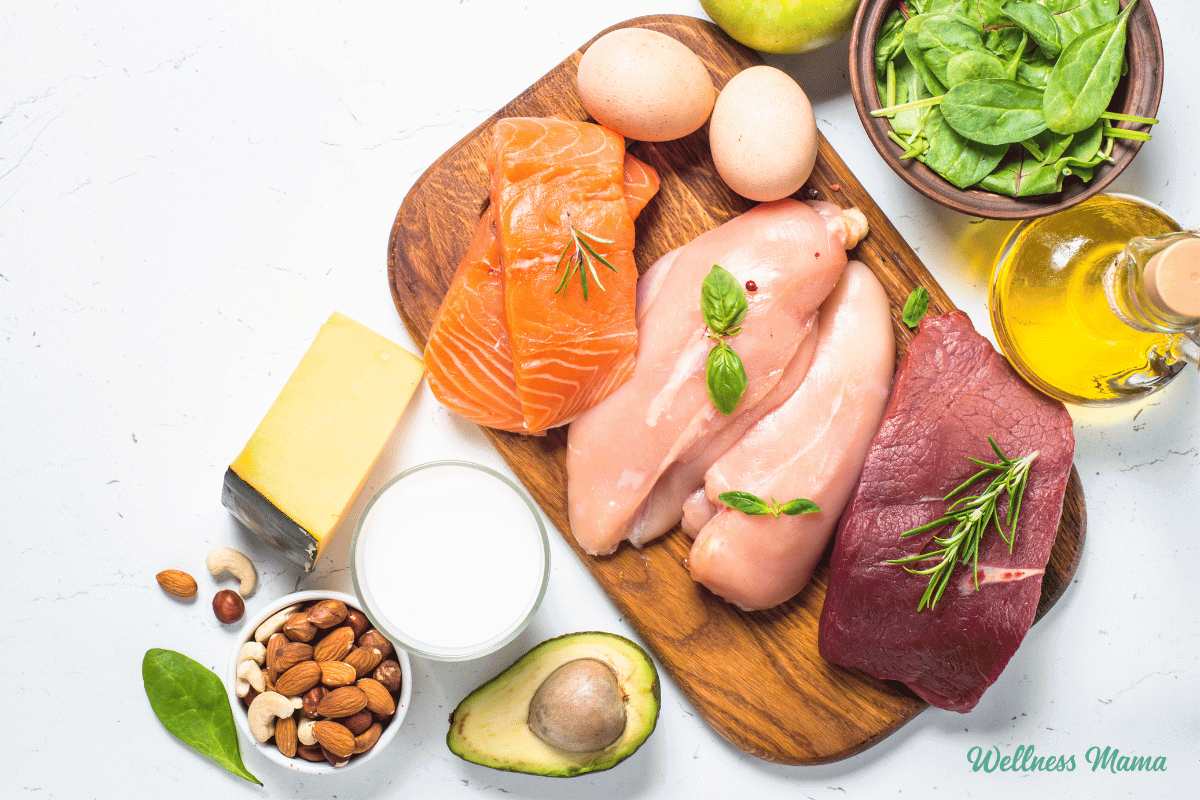
Leafy greens like spinach, kale, and Swiss chard are great sources of magnesium. These nutrient-dense vegetables not only provide magnesium but are also rich in vitamins and antioxidants that support overall health. By adding a handful of greens to your daily meals—whether in salads, smoothies, or as a side dish—you can support your testosterone levels naturally.
2. Fatty Fish for Omega-3 Fatty Acids
When it comes to testosterone production, healthy fats are your friend. Omega-3 fatty acids, in particular, have been shown to improve hormone levels and promote overall health. Fatty fish like salmon, mackerel, and sardines are packed with these healthy fats, which help reduce inflammation in the body and support the production of testosterone.
Omega-3 fatty acids can also improve insulin sensitivity, which in turn can help maintain optimal testosterone levels. If you don’t enjoy fish, consider adding omega-3-rich foods like flaxseeds, chia seeds, and walnuts to your diet for a plant-based source of these essential fats.
3. Oysters and Zinc-Rich Foods
Zinc is another critical mineral when it comes to testosterone production. It helps the body produce more testosterone and can even play a role in blocking the conversion of testosterone into estrogen. Oysters are one of the most zinc-rich foods you can find, with just a small serving providing a massive amount of this essential mineral.
Aside from oysters, other zinc-rich foods include beef, pumpkin seeds, cashews, and chickpeas. Incorporating a variety of these foods into your diet will ensure that your body has the zinc it needs to maintain healthy testosterone levels.
4. Eggs for Vitamin D and Protein
Eggs are one of the most nutrient-dense foods you can eat, and they’re especially beneficial for testosterone production. The yolk is particularly rich in vitamin D, a vital nutrient for maintaining testosterone levels. Vitamin D helps the body absorb calcium and regulates many hormonal processes, including the production of testosterone.
Eggs are also an excellent source of high-quality protein, which is essential for muscle growth and repair. Since testosterone is closely linked to muscle mass, having an adequate amount of protein in your diet can help support healthy testosterone levels. If you’re looking to boost your testosterone naturally, try to include eggs in your meals a few times a week.
5. Pomegranates for Antioxidants
Pomegranates are more than just a delicious fruit—they’re packed with antioxidants that can help improve testosterone levels. Studies have shown that drinking pomegranate juice regularly can increase testosterone levels in both men and women, potentially by reducing oxidative stress in the body. Oxidative stress can damage cells, including those involved in hormone production, which can hinder your ability to maintain healthy testosterone levels.
Pomegranates are also known to have heart-protective benefits, and their antioxidant properties support overall health. Try incorporating pomegranate seeds into salads, smoothies, or simply enjoy them as a snack to reap the benefits.
6. Ginger for Hormonal Balance
Ginger is a powerful root that has been used for centuries in traditional medicine for its anti-inflammatory and antioxidant properties. Recent studies have found that ginger can help increase testosterone levels, particularly in men who have low testosterone due to aging or other factors. Ginger may help reduce inflammation, which is often linked to hormone imbalances, including low testosterone.
In addition to its testosterone-boosting benefits, ginger supports digestion, reduces muscle soreness, and can even improve brain function. You can enjoy ginger as a tea, add it to smoothies, or use it as a spice in cooking to reap its many benefits.
7. Olive Oil for Healthy Fats
Olive oil is an excellent source of monounsaturated fats, which have been shown to support testosterone production. Like omega-3 fatty acids, monounsaturated fats help reduce inflammation and improve the body’s ability to produce hormones. Studies have found that olive oil can increase testosterone levels in men, making it an important part of a testosterone-boosting diet.
Beyond supporting testosterone levels, olive oil is a heart-healthy fat that provides a variety of other health benefits. Use it as a base for salad dressings, drizzle it over roasted vegetables, or add it to your favorite dishes to enhance flavor and support your hormonal health.
8. Cruciferous Vegetables for Estrogen Control
Cruciferous vegetables like broccoli, cauliflower, Brussels sprouts, and cabbage contain compounds that can help reduce excess estrogen in the body. While estrogen is an important hormone, too much can interfere with testosterone production. These vegetables contain compounds like indole-3-carbinol, which may help balance estrogen levels, thus supporting healthier testosterone levels.
These vegetables are also high in fiber, vitamins, and minerals that contribute to overall health. Roasted, steamed, or raw, cruciferous vegetables are a great addition to any meal, supporting both hormone balance and general well-being.
9. Avocados for Healthy Fats and Vitamin E
Avocados are another nutrient-dense food that’s great for testosterone production. Packed with healthy monounsaturated fats, avocados help regulate cholesterol levels and support the body’s ability to produce hormones like testosterone. They also provide a good dose of vitamin E, an antioxidant that helps prevent oxidative damage to cells involved in hormone production.
Incorporate avocados into salads, smoothies, or simply enjoy them as a snack. Their healthy fats and vitamin E can help keep your testosterone levels stable and your body functioning optimally.
Conclusion: Eat to Support Your Testosterone
Supporting healthy testosterone levels doesn’t require a special supplement or complex routine. With the right food choices, you can nourish your body and support your hormonal health naturally. A diet rich in magnesium, healthy fats, antioxidants, and key nutrients like zinc and vitamin D can go a long way in boosting testosterone levels and promoting overall well-being.
Whether you’re looking to boost energy, enhance muscle growth, or support your libido, making strategic dietary changes can help. By including testosterone-boosting foods like leafy greens, fatty fish, eggs, and avocados, you can take a proactive approach to maintaining healthy hormone levels and feeling your best.