
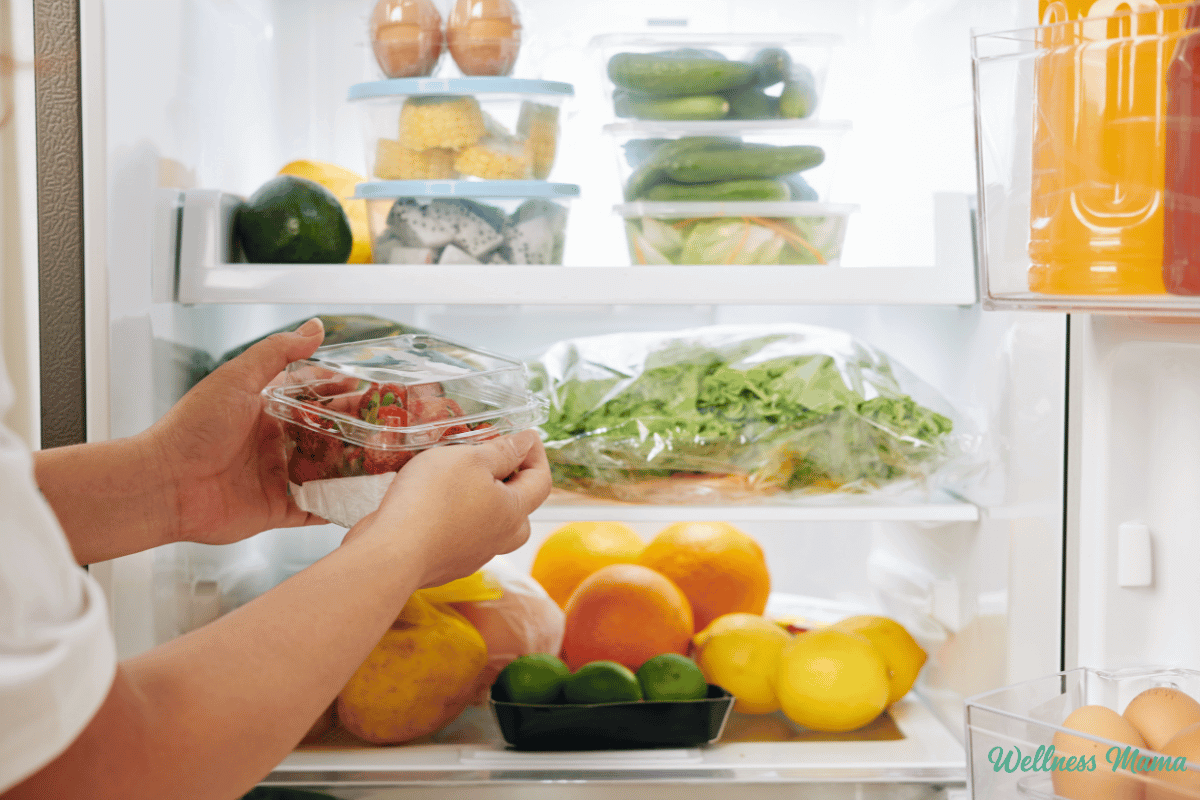
In today’s fast-paced world, where convenience often trumps quality, many people find themselves relying on processed and packaged foods for everyday meals. However, as more people become aware of the impact that food has on overall health, there has been a growing movement toward “real food” — whole, minimally processed ingredients that nourish the body. Creating a real food kitchen isn’t just about cooking with better ingredients; it’s about adopting a lifestyle that embraces wholesome meals and healthier choices.
If you’re looking to build a real food kitchen, you don’t need to turn your whole life upside down. The key is to take simple, actionable steps to replace processed foods with nutrient-dense alternatives. Let’s explore how you can transform your kitchen into a space that supports your health and nourishes your body.
What Is a Real Food Kitchen?
A real food kitchen is one where the focus is on fresh, whole ingredients rather than packaged or highly processed foods. It’s about cooking meals from scratch using whole grains, fruits, vegetables, healthy fats, and quality protein sources. In this kitchen, you’ll find fewer boxes and cans of pre-made meals or snack foods and more fresh produce, unrefined grains, and whole ingredients that promote better health.
The idea behind this approach is simple: the fewer steps the food takes before it reaches your plate, the more nutrients it retains. Eating real food gives your body the fuel it needs for optimal energy, supports digestion, boosts immunity, and may even improve skin and mental clarity. It’s a sustainable way of eating that can have long-lasting effects on your overall health.
Steps to Build Your Real Food Kitchen
Creating a kitchen stocked with real food doesn’t have to be overwhelming. It’s about gradual changes and smart swaps. Here’s a step-by-step approach to help you get started:
1. Start with the Basics: Clean Out Your Pantry
The first step to building a real food kitchen is to take stock of what you already have. Go through your pantry, refrigerator, and freezer, and remove any items that are heavily processed, high in added sugars, preservatives, or artificial ingredients. This might include packaged snacks, sugary cereals, pre-made sauces, or microwave meals.
Once you’ve removed the processed foods, you can begin replacing them with healthier, whole food alternatives. For example, replace refined grains like white pasta and white bread with whole grains such as quinoa, brown rice, or oats. Swap sugary snacks for whole fruit, nuts, and seeds.
2. Embrace Whole Foods: Fresh Produce, Protein, and Healthy Fats
A real food kitchen should be stocked with fresh, whole ingredients. Here’s a breakdown of the essential components:
- Fruits and Vegetables: Focus on seasonal, organic produce whenever possible. A variety of colorful fruits and vegetables ensures that you get a range of vitamins, minerals, and antioxidants. Aim to include leafy greens like kale, spinach, and arugula, as well as fruits like apples, berries, and citrus.
- Quality Proteins: Look for free-range, grass-fed meats, wild-caught fish, and organic poultry. If you’re plant-based, include protein-rich foods like beans, lentils, tofu, tempeh, and nuts. Eggs from pasture-raised chickens are another excellent source of protein and healthy fats.
- Healthy Fats: Instead of relying on processed oils like vegetable or canola oil, stock up on healthy fats like extra virgin olive oil, coconut oil, and grass-fed butter. These fats support brain health, heart health, and hormone balance.
3. Use High-Quality Spices and Herbs
One of the simplest ways to enhance the flavor of your meals without resorting to processed seasonings is by using fresh herbs and high-quality spices. Stock your kitchen with essentials like garlic, ginger, basil, cilantro, rosemary, and thyme. Dried spices such as turmeric, cumin, cinnamon, and paprika can also add variety and health benefits to your meals.
Herbs and spices do more than just boost flavor; many contain anti-inflammatory properties and are packed with antioxidants. For instance, turmeric has been shown to have numerous health benefits, while cinnamon can help regulate blood sugar.
4. Learn to Make Simple, Real-Food Staples
One of the advantages of a real food kitchen is that you can make many of your staple foods from scratch. This not only ensures you know exactly what’s in your food, but it can also save you money in the long run.
- Homemade Broths and Stocks: Making your own broth from bones (whether from chicken, beef, or vegetables) is a great way to add flavor and nutrients to soups and stews. Bone broth, in particular, is rich in collagen, which is beneficial for joints and skin.
- Fermented Foods: Adding fermented foods like sauerkraut, kimchi, or homemade yogurt can support digestion and gut health. These foods are naturally rich in probiotics, which promote a healthy gut microbiome.
- Nut Butters: Making your own nut butter at home is simple and healthier than store-bought versions that often contain added sugars and oils. You can create a delicious almond, peanut, or cashew butter with just nuts and a pinch of salt.
5. Equip Your Kitchen with the Right Tools
A well-stocked kitchen isn’t just about the food—it’s also about having the right tools to prepare those foods efficiently. Some essential kitchen tools for a real food kitchen include:
- Sharp Knives: A good set of knives makes chopping vegetables, slicing meats, and preparing fresh ingredients much easier.
- Blender or Food Processor: These tools are essential for making smoothies, soups, sauces, and even nut butters.
- Cast Iron Skillet: A versatile, non-toxic cooking surface for sautéing, frying, and baking.
- Pressure Cooker/Instant Pot: These devices allow you to cook beans, grains, and meats quickly and easily while retaining nutrients.
- Glass Storage Containers: Store leftovers and meal preps in glass containers to avoid chemicals often found in plastic.
6. Plan Your Meals and Shop Smart
A big part of maintaining a real food kitchen is being proactive about meal planning. Take the time each week to plan your meals, make a shopping list, and stick to it. This can help you avoid the temptation to buy processed foods on impulse. By planning ahead, you can also ensure that your kitchen stays stocked with everything you need to prepare wholesome meals.
Another tip is to shop at local farmer’s markets or buy directly from local farms. This allows you to purchase fresh, seasonal produce, meat, and dairy that’s often of higher quality than what you might find at a big-box store. Plus, buying locally supports small businesses and sustainable farming practices.
Final Thoughts: A Real Food Kitchen for a Real Food Life
Building a real food kitchen is about more than just making better food choices; it’s about making a commitment to your health and well-being. As you move toward a more whole-foods-based lifestyle, remember that progress is a journey, not a destination. Start with small changes, like swapping out refined grains for whole grains or cooking from scratch instead of reaching for processed meals. Over time, these small adjustments will add up, and you’ll find yourself eating healthier and feeling better.
In a world full of quick fixes and convenience foods, a real food kitchen is a sanctuary where nourishing meals are prepared with love and care. Embrace the simplicity and power of real food, and your body — and mind — will thank you.
4o