
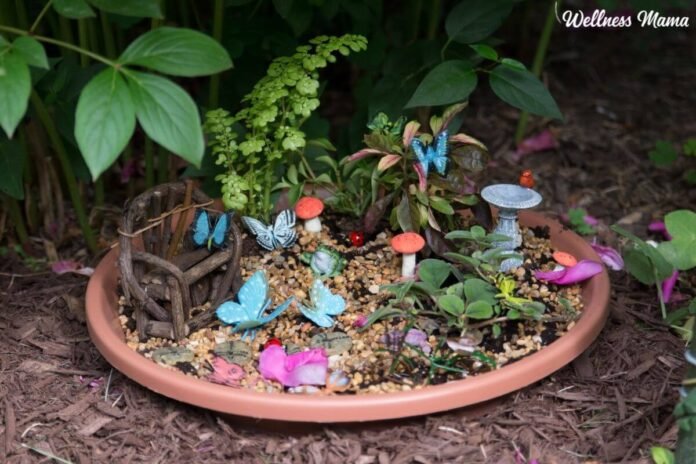
Fairy gardens have been a beloved pastime for generations, capturing the imagination of children and adults alike. These miniature landscapes, teeming with tiny plants, whimsical decorations, and a dash of magic, offer a wonderful opportunity for children to connect with nature, engage in hands-on creativity, and let their imaginations soar. Whether you’re looking for a fun family project or a way to inspire your child’s creativity, building a fairy garden is an ideal activity that can bring joy for months.
The Magic of Fairy Gardens
Fairy gardens are not just about little figurines and flowers—though those are definitely key components. The magic of a fairy garden lies in its ability to transport children (and adults) to a world where nature, art, and imagination come together. It’s a place where kids can nurture plants, create stories, and even invent their own fairy tales as they watch their garden grow.
The beauty of fairy gardens is that they are highly customizable, allowing children to be as creative as they want. From choosing the right plants to adding charming fairy-themed elements, each garden becomes a one-of-a-kind creation that reflects the personality and interests of its creator.
Getting Started: Materials You’ll Need
Creating a fairy garden doesn’t require a lot of expensive materials, and it can be done both indoors or outdoors. Here’s a simple list of items to get started:
- A Container: The first step is deciding where your fairy garden will live. You can use anything from a simple flower pot or a shallow dish to a wooden box or even a large glass bowl. If you’re planning to create an outdoor fairy garden, a section of the garden or a raised planter will work beautifully.
- Plants: Small plants like moss, succulents, and miniature flowers are perfect for fairy gardens. You want to choose plants that fit well within the tiny landscape, but also ones that your child can care for. Keep in mind the sunlight and water requirements of the plants you select.
- Fairy Figurines and Decorations: This is where the fun really begins! Fairy figurines, tiny bridges, miniature houses, pebbles, and even small furniture pieces like tiny benches or swings can be found at most craft stores. Encourage your child to pick out the items that feel special to them.
- Soil and Gravel: Good-quality potting soil will help your plants thrive. You’ll also need some small stones or gravel to line the bottom of your container for drainage.
- Other Craft Supplies: You can also use craft supplies to make your fairy garden even more personalized. Think glitter, ribbons, fabric, or even natural elements like twigs, pinecones, and leaves. These items add texture and character to the garden.
The Creative Process: Building Your Fairy Garden
Once you’ve gathered all your materials, it’s time to let your imagination and creativity run wild. Follow these simple steps to create a magical fairy garden that’s sure to delight your child:
- Prepare the Container
Start by preparing the container, whether it’s a small pot, a shallow box, or a bowl. If you’re using a pot with a drainage hole, place a layer of rocks or gravel at the bottom to ensure proper drainage for your plants. Add potting soil on top, leaving enough space for your plants and decorations. - Plan Your Layout
Before you start placing plants and accessories, take a moment to plan out the layout. You could sketch out your design or simply let your child’s ideas flow as they go. Think about where the “fairy house” will go, the location of any paths or stepping stones, and how the plants will fill in the space. Try to leave enough space between plants for growth. - Place the Plants
Once the layout is set, start placing your plants. Begin with the tallest plants and work your way down to the smaller ones. Moss can be placed around the base for a soft, lush look, while succulents can add structure and interesting textures. Be sure to leave space for the decorations you’ll be adding later. - Add Fairy Decorations
Now for the fun part! Start adding fairy figurines, miniature furniture, and accessories to your garden. Place a tiny fairy house near a plant, and maybe add a little swing or a miniature bench beneath a tree. If you’re using natural items like twigs or stones, you can create paths or little fences around the plants. This is where your child’s creativity can really shine as they build their miniature world. - Finish With Personal Touches
For a magical finishing touch, add glitter, tiny beads, or even small artificial flowers to your fairy garden. Your child may enjoy collecting small leaves, pebbles, or twigs to incorporate into the scene. These details can make the garden feel more enchanted and personal.
Caring for Your Fairy Garden
One of the most rewarding aspects of a fairy garden is the ongoing care it requires. This provides a perfect opportunity for children to learn about responsibility, plant care, and the natural world. Here are some tips to keep your fairy garden thriving:
- Watering: Make sure your plants are watered regularly but not overwatered. Most plants in fairy gardens do well with light watering once or twice a week, depending on the weather and the type of plants.
- Sunlight: Choose a spot that provides the right amount of sunlight for your plants. Some fairy garden plants, like succulents, prefer bright, indirect sunlight, while others, like moss, may thrive in low light.
- Trimming and Maintenance: As your plants grow, you’ll need to trim them to keep the garden looking neat. This can be a fun and hands-on activity for kids, teaching them the importance of upkeep and maintenance.
- Cleaning the Decorations: If your fairy figurines or decorations get dirty, gently wipe them with a damp cloth. Avoid using harsh chemicals that could damage the paint or materials.
Expanding the Fairy Garden
Over time, you can expand your fairy garden by adding new plants, accessories, or even fairy houses. You could have themed gardens for different seasons, such as a winter wonderland with snowflakes or a Halloween-themed garden with spooky decorations. The possibilities are endless, allowing your child to update and refresh the garden whenever they like.
The Benefits of a Fairy Garden for Kids
Building and maintaining a fairy garden is more than just a creative outlet—it’s an educational and therapeutic activity that offers several benefits:
- Enhances Creativity: Designing a fairy garden allows children to express themselves through art and design. They can build an entire story around their garden, imagining what the fairies do, where they live, and how they interact with nature.
- Teaches Responsibility: Caring for the plants and decorations helps children learn about responsibility. They’ll need to remember to water the plants, trim them, and maintain the garden over time.
- Encourages Connection with Nature: Fairy gardens can spark a love of nature and the outdoors. They offer a fun way for children to get hands-on experience with plants and gardening, fostering an appreciation for the environment.
- Builds Patience: Gardens take time to grow. Watching the plants and flowers bloom slowly teaches patience and helps kids understand the value of nurturing and waiting for things to develop.
Final Thoughts
Fairy gardens are a wonderful way to introduce your child to the magic of nature and creativity. By combining gardening with storytelling and imaginative play, you can create a space that’s not only beautiful but full of life and possibility. Whether indoors or outdoors, a fairy garden is an enchanting project that the whole family can enjoy together. So, gather your materials, let your imagination run wild, and get ready to create a tiny world of magic and wonder.