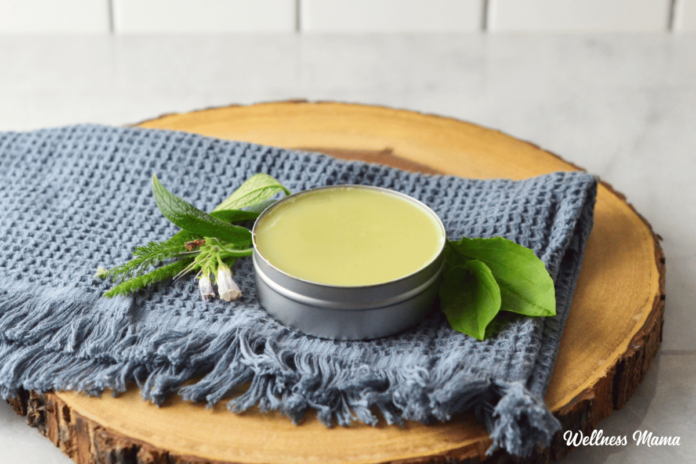
In the quest for natural, effective ways to care for our skin, homemade remedies have been gaining popularity for their simplicity, affordability, and power. One of the best homemade remedies you can make at home is a healing salve. Whether you’re treating minor cuts, scrapes, dry skin, or other skin irritations, a healing salve made from natural ingredients can provide soothing relief and speed up the healing process. Plus, it’s an excellent way to keep your skincare routine free of harsh chemicals and synthetic fragrances.
Why Choose a Homemade Healing Salve?
The skin is the body’s largest organ, and it plays a vital role in protecting us from external elements. Whether it’s a minor scrape, a patch of dry skin, or a stubborn rash, the skin sometimes needs a little extra care to stay healthy and resilient. Commercial creams and ointments often contain chemicals, preservatives, and synthetic ingredients that may cause irritation or offer only temporary relief.
Homemade salves, on the other hand, provide an all-natural alternative, offering several advantages:
- Purity: When you make a salve yourself, you control the ingredients, ensuring it’s free from unwanted chemicals or artificial additives.
- Cost-Effective: Homemade remedies are often more affordable than store-bought products.
- Customization: You can tailor the salve to your specific skin needs by choosing ingredients that work best for your skin type or any specific conditions you may have.
- Sustainability: Making your own products reduces reliance on disposable packaging, making it an eco-friendly choice.
The Essential Ingredients
Creating a homemade healing salve is surprisingly easy. At its core, a salve is a blend of natural oils and waxes that work together to nourish and protect the skin. Here’s a breakdown of the essential ingredients:
1. Carrier Oils
Carrier oils form the base of your salve and help deliver the healing properties of other ingredients to your skin. Some popular options include:
- Coconut Oil: Known for its antibacterial and anti-inflammatory properties, coconut oil is an excellent choice for moisturizing and healing the skin.
- Olive Oil: Rich in antioxidants, olive oil provides deep hydration and helps to soothe irritated skin.
- Sweet Almond Oil: Light and nourishing, almond oil is gentle and helps to soften and smooth the skin.
- Jojoba Oil: Closely resembling the natural oils produced by our skin, jojoba oil absorbs easily and offers hydration without clogging pores.
2. Beeswax
Beeswax is an essential component of salve recipes as it helps to thicken the mixture and create a protective barrier on the skin. This barrier helps lock in moisture, preventing the skin from becoming dry or chapped. Beeswax also has natural antibacterial properties, making it a great choice for healing minor cuts and scrapes.
3. Herbal Infusions
Herbal infusions are often added to salves for their therapeutic benefits. You can either infuse your oils with herbs or purchase pre-made herbal oils. Some common healing herbs include:
- Calendula: Known for its soothing and anti-inflammatory properties, calendula helps reduce redness and promote healing.
- Lavender: Lavender is not only calming and relaxing but also known for its antibacterial and skin-healing qualities.
- Chamomile: Chamomile is excellent for calming irritated skin and has gentle healing properties, making it perfect for sensitive skin.
4. Essential Oils
Essential oils offer a potent way to enhance the healing properties of your salve. While they’re optional, they can add an extra layer of therapeutic benefits. Some good choices for healing salves include:
- Tea Tree Oil: Known for its powerful antimicrobial properties, tea tree oil can help treat cuts, scrapes, and acne.
- Frankincense: This essential oil is often used for its anti-inflammatory properties and its ability to promote skin regeneration.
- Eucalyptus: Eucalyptus oil can be a great addition for its cooling effect and ability to help soothe inflamed or irritated skin.
When using essential oils, always ensure you’re using them in the right proportions and that they’re safe for topical use, as some oils can cause irritation if used in high concentrations.
Step-by-Step Guide to Making Your Own Healing Salve
Making a homemade healing salve is straightforward and doesn’t require special skills. Here’s a simple recipe that you can customize according to your preferences.
Ingredients:
- 1/2 cup of carrier oil (coconut oil, olive oil, or a combination)
- 2-3 tablespoons of beeswax pellets
- 1/4 cup of dried calendula flowers (or your preferred herb)
- 10-20 drops of essential oil (optional)
Instructions:
- Infuse the Herbs: Start by infusing your carrier oil with the herbs. Place the dried calendula flowers in a glass jar and cover them with the carrier oil. Seal the jar tightly and let it sit in a warm, sunny spot for 2-3 weeks, shaking it gently every few days. If you’re short on time, you can speed up the process by gently heating the oil and flowers in a double boiler for 30 minutes to an hour. Strain the oil through a fine mesh strainer or cheesecloth to remove the herbs.
- Melt the Beeswax: In a double boiler, melt the beeswax over low to medium heat. Once melted, add your infused herbal oil to the beeswax and stir until fully combined.
- Add Essential Oils: Once the oil and beeswax are melted and mixed, remove from heat and let the mixture cool slightly before adding your essential oils. Stir to combine.
- Pour into Containers: Pour the salve mixture into small glass jars, tins, or silicone molds. Let it cool completely at room temperature. The salve will firm up as it cools.
- Store: Store your homemade salve in a cool, dark place. It should last for several months. If you live in a particularly warm area, you may want to refrigerate it to help it maintain its solid texture.
How to Use Your Healing Salve
Using your homemade healing salve is easy. Simply apply a small amount to the affected area and massage it gently into the skin. The salve should absorb quickly, leaving your skin feeling moisturized and protected. You can use it on cuts, burns, dry patches, insect bites, or even as a general moisturizer for rough areas like elbows or knees.
Tips and Considerations
- Patch Test: If you’re trying a new essential oil or herbal ingredient, it’s always a good idea to perform a patch test first to ensure you don’t have an allergic reaction.
- Adjust Consistency: If your salve turns out too thick, you can add more carrier oil to loosen it up. If it’s too runny, simply melt it again and add more beeswax.
- Customization: Feel free to experiment with different essential oils or herbs to customize your salve for your skin’s needs. For example, adding a bit of lavender essential oil can enhance its calming properties, while a touch of tea tree oil is great for its antimicrobial effects.
Conclusion: The Power of Nature in a Jar
A homemade healing salve offers a gentle, effective, and all-natural solution for a variety of skin issues. By using simple ingredients like carrier oils, beeswax, and healing herbs, you can create a potent salve that helps your skin heal and stay moisturized. Not only is it a more natural choice compared to store-bought alternatives, but it’s also a rewarding and sustainable DIY project that can be easily tailored to suit your needs.
Whether you’re dealing with a minor scrape, dry skin, or an itchy rash, a homemade healing salve is a practical and effective remedy that supports your skin’s natural healing process. Plus, it’s a great way to nurture both your skin and your spirit, knowing you’re using nature’s best ingredients.