
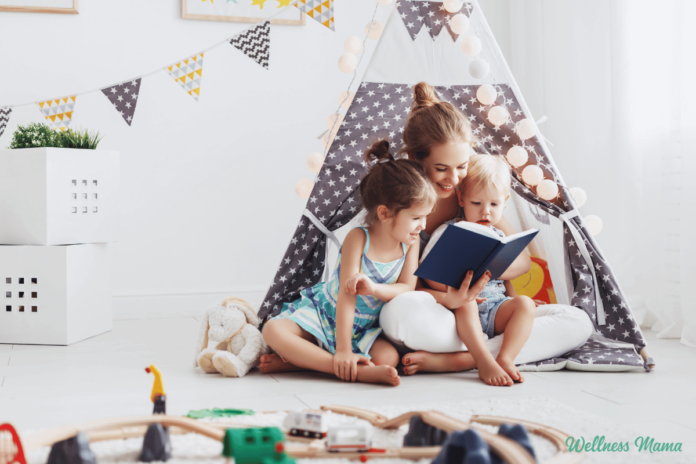
Parenting is often portrayed as a journey bound by tradition, societal expectations, and well-worn paths. From prescribed milestones to set schedules, many parents feel pressured to follow a particular playbook when raising their children. However, in an era where individuality and diversity are celebrated, more and more parents are beginning to explore alternative, unconventional approaches to raising their kids. These non-traditional methods challenge the norms and offer fresh perspectives on nurturing and guiding the next generation.
Unconventional parenting doesn’t mean abandoning all structure or discipline; rather, it’s about embracing creativity, flexibility, and mindful decision-making to raise well-rounded, independent children. It’s about recognizing that there is no one-size-fits-all approach to parenting and that each child—and each family—has unique needs, desires, and values. Here, we explore the principles behind unconventional parenting and how they can reshape the way we approach our role as parents.
Rethinking Discipline: Beyond Punishments
Traditionally, discipline in many households has revolved around punishment and reward systems. Children were often expected to follow rules rigidly, and consequences for misbehavior were immediate and severe. But what if discipline could be more about teaching rather than punishing?
Unconventional parenting encourages an approach where discipline is less about imposing authority and more about fostering mutual respect, understanding, and natural consequences. Instead of focusing on punishment, many parents are turning to strategies that emphasize communication, empathy, and problem-solving. This might involve explaining the reasons behind rules, helping children understand the impact of their behavior, and working with them to come up with solutions when issues arise.
This approach not only reduces the power struggle that often accompanies traditional discipline methods but also builds stronger bonds between parents and children, teaching kids how to make good decisions on their own rather than relying on external punishments.
A Flexible Approach to Education
In the world of conventional parenting, education is often seen as a structured, step-by-step process. Children attend school, follow a fixed curriculum, and are graded based on standardized tests. However, the idea that one path fits all is being questioned by more parents who are seeking an education system that better suits their child’s individual needs.
Unconventional parenting often includes alternatives to traditional schooling, such as homeschooling, unschooling, or even enrolling in more flexible and progressive educational institutions. These options allow children to learn at their own pace, follow their natural curiosities, and delve deeper into subjects that interest them. For example, unschooling—the philosophy that children should direct their own learning based on their interests—gives children the freedom to explore and learn in ways that are authentic and meaningful to them.
This flexible approach allows for a more personalized, child-centric form of education, where creativity, critical thinking, and independent learning are prioritized over rigid structures and standardized testing. It allows parents to cultivate a child’s natural love for learning, building skills and knowledge in a way that feels organic rather than forced.
Fostering Emotional Intelligence and Independence
Unconventional parenting often places a significant emphasis on emotional intelligence and independence. In traditional parenting, children are often taught to conform to societal norms, be obedient, and put others’ needs first. While these are valuable traits, many parents today are recognizing the importance of raising emotionally intelligent children who can understand, express, and manage their emotions.
This means encouraging children to identify their feelings, communicate openly, and navigate their emotional world with support. Unconventional parenting often includes creating an environment where children are encouraged to be honest about their emotions, without fear of judgment or repression. It can also mean allowing children to make their own decisions from an early age, giving them a sense of agency and responsibility over their lives. For example, letting a child choose what they want to wear or how they want to spend their free time can build confidence and decision-making skills, fostering a sense of independence.
This emotional and intellectual autonomy leads to more resilient children who are equipped to deal with life’s challenges in a constructive way. Instead of teaching children to simply follow instructions, unconventional parenting teaches them how to think for themselves and navigate the world with emotional and mental clarity.
Encouraging Free Play and Creativity
One of the key principles behind unconventional parenting is the belief that children need more freedom—especially when it comes to play. Free play allows children to explore their imagination, build problem-solving skills, and develop creativity. Yet, in many traditional households, free play is often overshadowed by structured activities, lessons, and screen time.
Parents who embrace unconventional parenting methods encourage their children to play without restrictions, allowing them the time and space to use their imaginations and create their own experiences. This could mean letting kids play outside in nature, with minimal adult intervention, or giving them access to open-ended toys that inspire creativity. It’s about moving away from rigid, scheduled playtime and giving children the opportunity to explore their interests and curiosities through unstructured play.
Studies show that free play can have a profound impact on a child’s development, improving everything from social skills to cognitive function. By encouraging free play, parents are helping children build confidence, creativity, and resilience that will serve them throughout their lives.
Parent-Child Relationships Based on Partnership
Traditional parenting often emphasizes a top-down dynamic, where the parent is the authority figure and the child is expected to obey. However, unconventional parenting promotes a more egalitarian approach, where the parent-child relationship is based on mutual respect and partnership.
In these types of relationships, parents listen to their children’s opinions, validate their feelings, and involve them in decision-making processes. This creates an atmosphere of trust and collaboration, where children feel heard and understood. By respecting children as individuals with their own ideas and perspectives, parents foster open communication and a deeper emotional connection.
Rather than imposing rules without explanation, parents using unconventional methods often take the time to explain their reasoning and encourage their children to express their thoughts. This can lead to more positive interactions and a deeper level of understanding between parents and children.
The Benefits of Unconventional Parenting
While unconventional parenting may not always be the easiest or most conventional path, it offers many potential benefits. By stepping away from societal expectations and embracing a more flexible, open-minded approach, parents can cultivate a home environment that nurtures creativity, emotional intelligence, and independence.
Moreover, unconventional parenting allows families to create their own rules and values, tailored to their unique needs and priorities. It encourages parents to trust their instincts and raise children who feel respected, empowered, and capable of navigating the world with confidence and resilience.
In the end, unconventional parenting is about recognizing that there is no perfect formula for raising children. Every child is unique, and what works for one family may not work for another. By embracing alternative approaches and staying open-minded, parents can create a loving, supportive environment that fosters the development of well-rounded, independent, and emotionally intelligent individuals.
Ultimately, unconventional parenting is not about defying all traditions, but about forging new paths and building connections based on love, respect, and mutual understanding. It’s about choosing what works best for your family and raising children who are empowered to navigate the world with confidence, creativity, and kindness.