In today’s world of fast-paced living and modern medicine, it’s easy to forget about the age-old traditions that have sustained human health for centuries. One such practice is the use of herbal tinctures. These concentrated liquid extracts, made from herbs and plants, offer a simple yet powerful way to incorporate the benefits of nature’s medicine into your daily routine. Whether you’re looking to boost your immune system, improve your digestion, or manage stress, herbal tinctures can be a versatile and effective solution.
But what exactly are herbal tinctures, and how can they benefit your health? In this article, we’ll explore the world of herbal tinctures, their many advantages, and how you can easily incorporate them into your wellness routine.
What Are Herbal Tinctures?
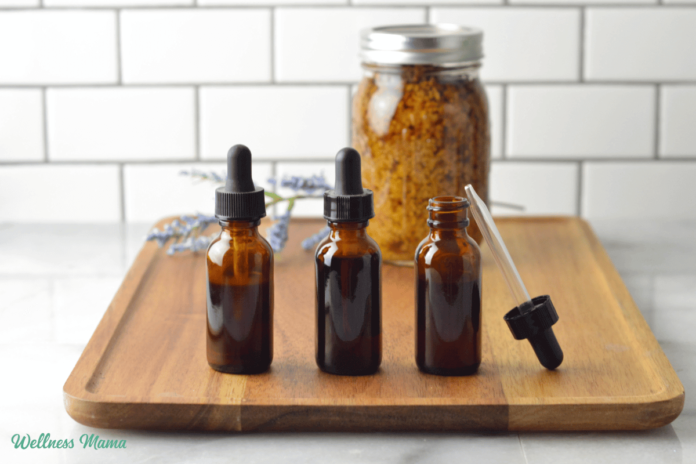
At their core, herbal tinctures are liquid extracts made by soaking herbs in alcohol (or sometimes vinegar or glycerin) to extract their medicinal properties. The alcohol acts as a solvent, pulling out the active compounds from the plant, which are then preserved in the liquid. This process allows the nutrients, vitamins, minerals, and therapeutic properties of the herb to be concentrated into a small, easy-to-take dose.
Tinctures are typically much more concentrated than teas or capsules, making them a powerful way to receive the benefits of herbs in a small amount. Because they are liquid, tinctures are absorbed quickly by the body, providing fast-acting relief or support for various conditions.
Why Choose Herbal Tinctures?
There are many benefits to choosing herbal tinctures over other forms of herbal medicine. Here are just a few reasons why you might want to consider incorporating them into your health regimen:
- Convenience and Portability:
One of the major advantages of herbal tinctures is their convenience. Unlike herbal teas or capsules, tinctures are small, portable, and easy to take anywhere. Whether you’re at home, at work, or traveling, you can easily carry a small bottle of tincture in your purse, bag, or backpack. When you need support for stress, digestion, or immunity, a few drops are all it takes. - Quick Absorption:
Tinctures are absorbed quickly by the body. Since they are already in liquid form, they don’t need to be broken down by the digestive system, which means they can be absorbed more efficiently. This makes tinctures an excellent choice when you need fast relief or support for acute issues. - Concentrated Potency:
Herbal tinctures are typically more potent than teas or capsules because the extraction process allows the active compounds in the herbs to be concentrated into a small, easily dosed amount. This means you get all the benefits of the herb in a very small volume, making it easier to get the right amount without having to consume large quantities. - Long Shelf Life:
When properly made and stored, herbal tinctures can last for several years. The alcohol in the tincture acts as a preservative, keeping the extract fresh for extended periods. This makes tinctures a cost-effective option for anyone looking to build a herbal medicine cabinet without worrying about expiration dates.
Popular Herbs Used in Tinctures
Herbal tinctures can be made from a wide variety of herbs, each with its own unique benefits. Here are some popular herbs that are commonly used in tinctures and the potential benefits they offer:
- Echinacea:
Known for its immune-boosting properties, echinacea is often used to help prevent colds or reduce the severity of symptoms. It can also support overall immune function and help fight off infections. - Lavender:
Lavender is well-known for its calming effects. It can be used to help reduce stress, anxiety, and insomnia. Lavender tincture can also support digestion and soothe headaches. - Peppermint:
Peppermint is often used to support digestive health. It can help relieve bloating, gas, and indigestion. A few drops of peppermint tincture may also provide relief for headaches or tension. - Ashwagandha:
A powerful adaptogen, ashwagandha helps the body cope with stress and anxiety. It can also support energy levels, enhance focus, and balance hormones. - Ginger:
Known for its anti-inflammatory and digestive properties, ginger tincture can help with nausea, indigestion, and inflammatory conditions such as arthritis. - Valerian Root:
Valerian root is commonly used for its calming and sedative effects. It can help promote relaxation, improve sleep, and ease anxiety. - Turmeric:
Turmeric is a potent anti-inflammatory herb with antioxidant properties. It is commonly used to help manage chronic pain, reduce inflammation, and support overall joint health.
How to Take Herbal Tinctures
Taking herbal tinctures is simple and straightforward. Most tinctures come with a dropper, which allows for easy dosing. The typical dosage for herbal tinctures is 20-30 drops, taken 2-3 times per day, but it’s always important to follow the instructions on the bottle, as dosages can vary depending on the herb and concentration.
Here are a few ways to take your herbal tinctures:
- Directly Under the Tongue:
The most efficient way to take a tincture is to place the recommended number of drops directly under your tongue. This allows the tincture to be absorbed quickly into the bloodstream through the mucous membranes in the mouth. - In Water or Tea:
If you find the taste of the tincture too strong or unpleasant, you can mix the drops into a glass of water or herbal tea. This is a good option for those who prefer a gentler way to take their herbs. - In Smoothies or Juices:
For a tasty twist, you can add herbal tinctures to your smoothies or juices. This works especially well for herbs like ginger or peppermint, which pair well with many fruit and vegetable flavors.
How to Make Your Own Herbal Tinctures
While it’s easy to find herbal tinctures in health food stores or online, making your own tinctures at home is a simple and rewarding process. All you need are the herbs, alcohol (such as vodka or brandy), and a bit of time. Here’s a basic guide to get you started:
- Choose Your Herbs:
Select the dried herbs you want to use for your tincture. Popular choices include echinacea, lavender, peppermint, or any other herb that you’d like to extract. - Prepare the Jar:
Fill a clean glass jar about halfway with your chosen dried herbs. The amount of herbs you use will depend on how much tincture you want to make. - Add Alcohol:
Pour alcohol (vodka or brandy works well) into the jar, making sure the herbs are fully covered. Leave a little space at the top of the jar to allow for expansion. - Seal and Shake:
Seal the jar tightly and shake it well. Place the jar in a cool, dark place for about 2-6 weeks, shaking it once a day to keep the herbs well mixed with the alcohol. - Strain and Store:
After the extraction period, strain the liquid through a fine mesh strainer or cheesecloth into a clean bottle. Store the tincture in a cool, dark place and label it with the date.
Final Thoughts
Herbal tinctures are a practical and effective way to harness the healing powers of nature. Whether you’re new to herbal remedies or a seasoned practitioner, tinctures offer a fast-acting, convenient solution for supporting your health. From boosting immunity to reducing stress, these liquid extracts can be a valuable addition to your wellness routine.
By making your own tinctures or selecting high-quality pre-made options, you can enjoy the many benefits of herbal medicine in a small, easy-to-digest form. So, why not explore the world of herbal tinctures and discover the powerful plants that nature has to offer?