
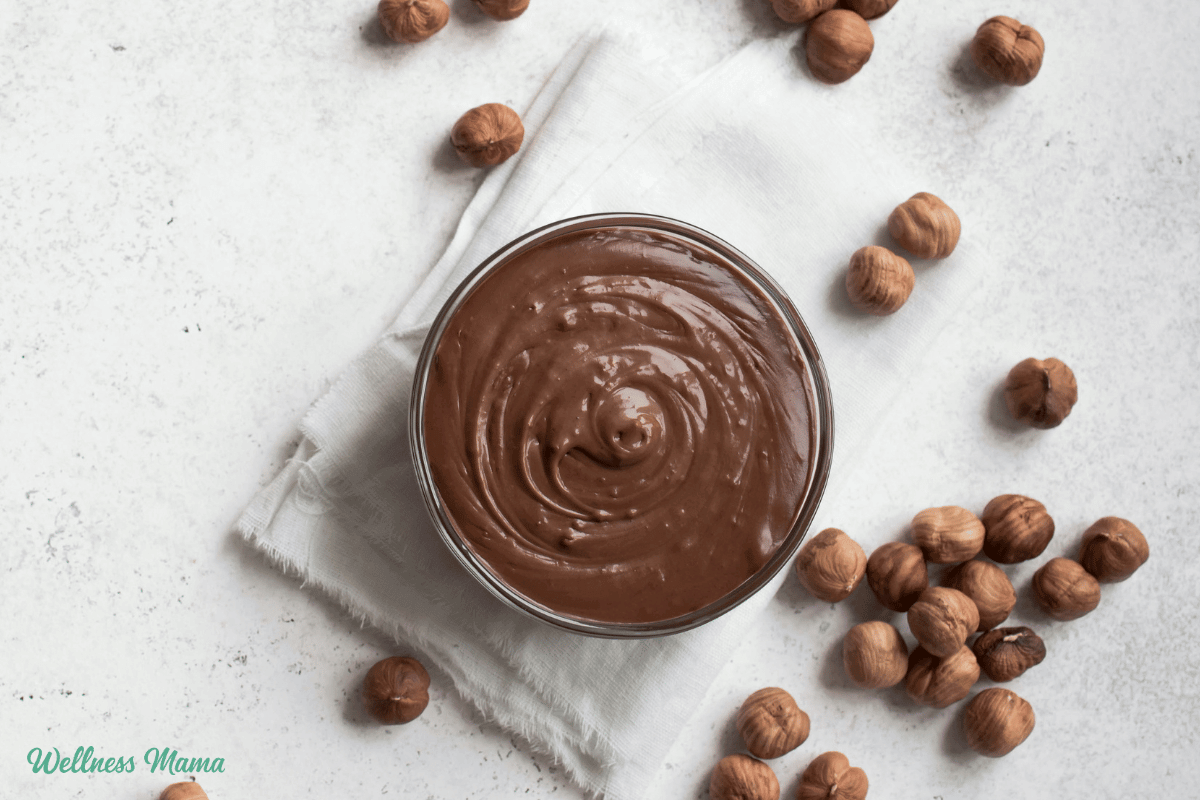
For many, Nutella is a beloved pantry staple—whether spread on toast, drizzled over pancakes, or spooned straight from the jar. This creamy, chocolate-hazelnut concoction has garnered a devoted fanbase, making it a go-to treat for countless families. But as the wellness movement grows and more people become conscious of their eating habits, the question arises: is Nutella truly healthy?
In this article, we’ll take a closer look at Nutella’s nutritional profile, examine the ingredients that make up this popular spread, and explore whether it’s a worthy addition to your diet or a treat best kept for special occasions.
What’s in a Jar of Nutella?
At its core, Nutella is made from a few simple ingredients: sugar, palm oil, hazelnuts, cocoa, and skim milk. At first glance, this might not sound too bad. However, a closer inspection reveals several aspects of Nutella’s composition that could raise health concerns.
Let’s break down some of the key ingredients:
- Sugar: Sugar is the first ingredient listed on the label, which is a red flag for those trying to limit their sugar intake. A two-tablespoon serving of Nutella contains about 21 grams of sugar, which is nearly equivalent to five teaspoons. This is a significant amount of sugar, especially considering that the American Heart Association recommends no more than six teaspoons (25 grams) of added sugar per day for women and nine teaspoons (38 grams) for men.
- Palm Oil: Palm oil is often used in processed foods for its cost-effectiveness and long shelf life. However, it’s a highly processed oil that’s high in saturated fat. While recent research has highlighted the potential health risks of consuming too much saturated fat—such as an increased risk of heart disease—palm oil is often seen as one of the more harmful oils due to its impact on both health and the environment.
- Hazelnuts: Hazelnuts are the standout ingredient in Nutella, and they do have some redeeming qualities. They are a good source of healthy fats, fiber, and essential nutrients like vitamin E and magnesium. However, the amount of hazelnuts in Nutella is relatively low compared to sugar and oil, making their health benefits minimal in this product.
- Cocoa: Cocoa adds the rich chocolate flavor Nutella is known for. While pure cocoa contains antioxidants that are beneficial to health, the amount in Nutella is relatively small. Most of the cocoa in Nutella is processed, which can reduce the levels of beneficial compounds.
- Skim Milk: Skim milk powder is added to Nutella for texture and taste. While it provides a small amount of protein and calcium, the amount used in Nutella is minimal and doesn’t contribute much to the overall nutritional value of the product.
The Case Against Nutella: Why It Might Not Be as Healthy as You Think
- High in Added Sugars As previously mentioned, one of the biggest concerns with Nutella is its sugar content. In addition to the inherent sugar in the hazelnuts and cocoa, Nutella adds a significant amount of refined sugar to its formula. Consuming too much sugar has been linked to numerous health problems, including weight gain, insulin resistance, type 2 diabetes, and an increased risk of heart disease. Even though Nutella may be enjoyed in small amounts, its high sugar content can quickly add up, especially when used as a frequent topping on breakfast items or snacks.
- Unhealthy Fats The presence of palm oil in Nutella adds another layer of concern. Palm oil is a source of saturated fat, which has been shown to raise LDL (“bad”) cholesterol levels and contribute to the development of heart disease. While palm oil is a more affordable option for manufacturers, the health implications of consuming it regularly can’t be ignored. Additionally, the processing of palm oil often strips it of some of its nutritional value, making it less healthful than other oils like olive oil or avocado oil.
- Nutrient Imbalance Despite the inclusion of hazelnuts, cocoa, and skim milk, Nutella lacks a balanced array of nutrients. It’s high in sugar and fat but low in protein, fiber, and essential vitamins and minerals. When looking for a healthful snack or breakfast option, it’s important to choose foods that provide a more balanced nutritional profile. Nutella doesn’t quite meet the criteria of a “nutritious” food when compared to alternatives like nut butters (such as almond or peanut butter), which provide healthier fats and higher protein content.
- Portion Control Challenges It’s easy to underestimate how much Nutella we’re consuming. A typical serving size is two tablespoons, but many people unknowingly spread or spoon out much more than this. With such a high sugar and fat content, even small increases in portion size can lead to an overconsumption of empty calories. Nutella is often enjoyed in indulgent ways—spread thick on toast or drizzled generously on pancakes—which only compounds the problem.
The Healthier Alternatives
If you’re craving something similar to Nutella but are looking for a more health-conscious option, there are several alternatives available:
- Nut Butters: Nut butters, like almond, cashew, or peanut butter, are packed with healthy fats, protein, and fiber. Opt for nut butters with minimal added sugar and preservatives for a cleaner, more nutrient-dense option. You can even make your own at home by simply blending roasted nuts and a pinch of salt.
- Homemade Chocolate Hazelnut Spread: If you love Nutella but want to control the ingredients, consider making your own chocolate hazelnut spread. By using raw hazelnuts, dark chocolate, and a touch of natural sweeteners like honey or maple syrup, you can create a spread that’s lower in sugar and free from palm oil.
- Cocoa and Hazelnut Smoothie: If you’re craving that chocolate-hazelnut flavor, try blending unsweetened cocoa powder with a handful of hazelnuts, a banana, and almond milk. This option provides the same taste but with more fiber and a better balance of nutrients.
Is Nutella Ever Okay?
While Nutella may not be the healthiest food option out there, it’s also not the worst. Like many processed foods, it’s fine to enjoy Nutella in moderation, especially as an occasional treat. It’s important to understand that foods like Nutella should be considered indulgences, not everyday staples. When consumed sparingly and as part of a balanced diet, Nutella can certainly be part of the fun, but it shouldn’t be relied on as a regular source of nutrition.
Conclusion
Nutella’s popularity and irresistible flavor make it a beloved treat for many, but when it comes to health, it’s clear that this spread isn’t a nutritional powerhouse. While its ingredients offer some benefits—especially the hazelnuts and cocoa—the high sugar content, use of palm oil, and lack of other essential nutrients make it a less-than-ideal choice for those looking to improve their diet. If you love the taste of Nutella, consider it an occasional indulgence, but be mindful of portion sizes and look for healthier alternatives that provide more balanced nutrition. After all, health is about making informed choices and enjoying life’s little pleasures in moderation.