
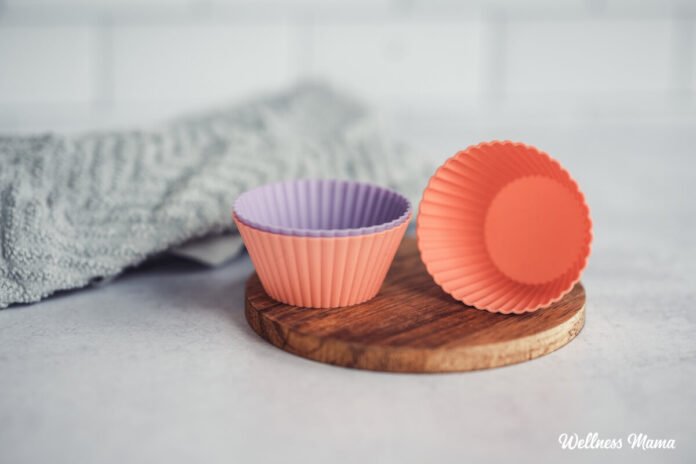
Silicone bakeware has become increasingly popular in kitchens around the world due to its versatility, ease of use, and ability to withstand high temperatures. From muffin pans to cake molds, silicone products are often advertised as a safer and more convenient alternative to traditional metal and glass bakeware. But with all the hype, many people wonder: is silicone really safe for baking? Are there any potential health risks associated with using silicone in the kitchen? Let’s break down the facts and explore whether silicone is truly a safe choice for baking.
What Is Silicone?
Before diving into its safety for baking, it’s important to understand what silicone is and how it’s made. Silicone is a synthetic polymer, often made from silicon (a natural element found in sand and quartz), oxygen, carbon, and hydrogen. Unlike plastic, silicone is a flexible, rubber-like material that is non-porous, heat-resistant, and highly durable. These qualities make it an ideal candidate for kitchenware, as it can withstand temperatures ranging from -40°F to 450°F (-40°C to 232°C), making it safe for both baking and freezing.
Silicone products are typically created by combining these raw materials and then curing them at high temperatures, which gives them their unique flexibility and strength. Silicone bakeware is often used for muffin pans, cake molds, baking mats, and even spatulas. But despite its widespread use, questions about its safety remain.
The Pros of Silicone Bakeware
- Non-Stick Surface: One of the main selling points of silicone bakeware is its non-stick properties. Unlike metal pans that require greasing or lining with parchment paper, silicone pans allow baked goods to slide out easily without sticking. This makes for simpler clean-up and less hassle during baking.
- Heat Resistance: Silicone can endure high temperatures without warping, cracking, or releasing harmful chemicals. Most silicone bakeware can handle temperatures up to 450°F (232°C), making it suitable for most baking tasks, including roasting and grilling.
- Durability: Silicone is incredibly durable. Unlike metal pans, which can rust over time, silicone bakeware is resistant to cracking, breaking, or chipping. It’s also highly flexible, which means it’s easy to store and won’t take up much space in your kitchen.
- Easy to Clean: Since silicone is non-porous, it doesn’t retain oils, food particles, or odors like other materials. It’s dishwasher-safe, making cleaning up after baking a breeze. Plus, silicone doesn’t stain as easily as other materials, which means it can look brand new even after multiple uses.
- Lightweight and Flexible: The lightweight nature of silicone makes it easy to handle, even when filled with heavy batter. The flexibility also means you can bend or fold it, making it great for storage in smaller spaces.
Is Silicone Safe for Baking?
Now that we know a bit more about what silicone is and why it’s so popular, let’s address the burning question: Is silicone safe to use for baking?
Food-Grade Silicone
When it comes to safety, the key is choosing high-quality, food-grade silicone. Not all silicone products are created equal, and some lower-quality versions may contain fillers or additives that can be harmful when exposed to heat. Food-grade silicone, on the other hand, is specifically designed to meet safety standards for cooking and baking. It’s free of BPA, PVC, lead, and phthalates—chemicals commonly found in some plastics that can leach into food and cause health concerns.
Does Silicone Leach Chemicals?
A common concern with silicone bakeware is whether it leaches chemicals into food when exposed to heat. According to experts, high-quality, food-grade silicone is highly stable and doesn’t leach chemicals into food. It’s heat-resistant and won’t release harmful substances when used at proper baking temperatures.
However, it’s essential to be cautious when purchasing silicone bakeware. Inferior silicone products, particularly those that are cheaper or not labeled as food-grade, may contain fillers that could potentially leach harmful substances when heated. To avoid this, always purchase bakeware from reputable brands, and look for certifications that indicate the product is safe for food use.
Potential Concerns with Low-Quality Silicone
While food-grade silicone is generally considered safe, low-quality silicone might contain fillers, which can affect the material’s safety. These fillers can be made of substances like plastics, resins, or other chemicals that could potentially leach into food during baking. That’s why it’s crucial to choose silicone products that are explicitly marked as BPA-free and FDA-approved. Avoid purchasing silicone items that are cheap or come from questionable sources, as they may not meet safety standards.
Silicone and the Environment
Silicone is a more environmentally friendly option than traditional plastics, as it is durable, long-lasting, and non-toxic. Unlike plastic, which can take hundreds of years to degrade and often ends up in landfills, silicone can be recycled, although it’s not as widely accepted in recycling programs. Additionally, silicone doesn’t release toxic fumes or chemicals when burned, making it less harmful to the environment than plastics.
While silicone is a better alternative to plastic in many ways, it’s still important to consider the environmental impact of mass production and disposal. As with any material, proper disposal methods are key to reducing environmental harm.
Tips for Using Silicone Bakeware Safely
- Choose High-Quality Products: Always look for food-grade, BPA-free, and FDA-approved silicone bakeware to ensure safety when baking. Reputable brands will often display these certifications on their packaging.
- Avoid Using at Extremely High Temperatures: While silicone is heat-resistant, it’s best to stick to the recommended temperature range (usually between -40°F and 450°F) to avoid any potential degradation of the material.
- Proper Care: Wash your silicone bakeware thoroughly after each use, ideally by hand or in the dishwasher (if it’s dishwasher-safe). Avoid using abrasive scrubbing pads, as they can damage the material and reduce its lifespan.
- Don’t Use on Direct Heat: Silicone bakeware should not be used directly on stovetops or over an open flame. It’s designed for use in the oven and should be treated as such.
- Check for Signs of Wear: Over time, silicone can degrade, especially if it’s exposed to high temperatures repeatedly. If you notice any cracks, tears, or significant wear, it’s time to replace your silicone bakeware.
Final Thoughts: Is Silicone a Safe and Practical Choice?
In summary, silicone bakeware is generally considered safe for baking when you choose high-quality, food-grade products. It’s non-toxic, heat-resistant, and incredibly versatile, making it a great addition to your kitchen. By being mindful of the quality of the silicone products you purchase, you can enjoy the benefits of easy baking, hassle-free clean-up, and a safer alternative to traditional materials.
Just remember, as with any kitchen tool, it’s essential to use silicone bakeware properly and care for it as directed to ensure it lasts and continues to serve you well. With the right precautions, silicone bakeware can be a durable, eco-friendly, and reliable addition to your baking routine.