
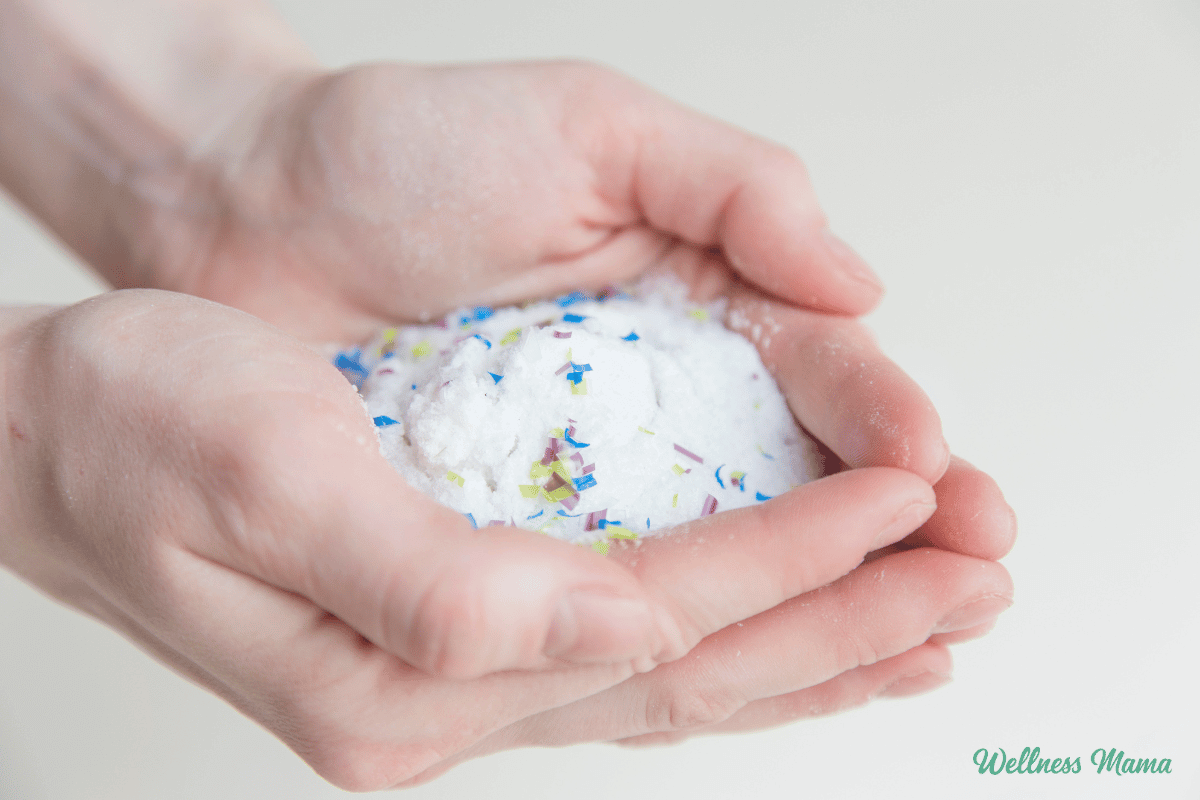
We live in a world dominated by plastic—it’s in our packaging, our clothes, and even the food we eat. But in recent years, scientists have raised alarm about an unexpected source of plastic contamination: salt. While you may not associate the fine grains of table salt or the chunky crystals of sea salt with plastic, studies have revealed that microplastics are making their way into our diet through this very staple of our kitchens.
In this article, we’ll take a closer look at what microplastics are, how they end up in salt, and what this means for our health and the environment. We’ll also explore ways to mitigate the impact of microplastics in our daily lives and discuss the growing awareness of the issue.
What Are Microplastics?
Microplastics are tiny particles of plastic, often no larger than a grain of rice or even smaller, that result from the breakdown of larger plastic items or are intentionally manufactured at small sizes. These particles can be found in a variety of environments, from oceans and rivers to the air we breathe. They are incredibly persistent, taking hundreds to thousands of years to break down fully. And as they disintegrate, they fragment into even smaller pieces, often becoming nearly invisible.
Microplastics have found their way into ecosystems across the globe, with notable contamination occurring in the marine environment. Ocean currents carry plastic waste from landfills, beaches, and rivers, breaking it down into minuscule particles. These microplastics are then consumed by marine life, entering the food chain. Fish, shellfish, and other sea creatures ingest these particles, and eventually, these microplastics can end up on our dinner plates—whether we’re aware of it or not.
How Microplastics End Up in Salt
Salt, especially sea salt, is one of the most surprising sources of microplastics. The fact that salt, something so fundamental and pure, can contain plastic particles might seem hard to believe. Yet, studies have shown that a significant portion of sea salts, and even some rock salts, can contain microplastics. The contamination occurs primarily through ocean pollution. As plastics break down in the sea, the particles can mix with the water and eventually be absorbed by salt crystals during the evaporation process.
Sea salt is harvested through the evaporation of seawater, which means it’s directly exposed to the ocean’s contaminants, including plastics. Likewise, table salt that is mined from underground deposits is not immune. Even though this salt may not be directly exposed to the ocean, it can still contain microplastics due to pollution in the atmosphere. Winds can carry airborne plastic particles, which then settle on land and water bodies, contaminating everything in their path, including our food sources.
Interestingly, research has shown that salt from various regions of the world contains different levels of microplastic contamination. Areas with high levels of coastal pollution tend to have salt with more microplastic content. Countries that produce sea salt, such as China, India, and parts of Europe, have been found to have higher levels of contamination, although microplastics are widespread and present in salts across the globe.
What Does This Mean for Our Health?
You might be wondering just how dangerous microplastics in salt are for our health. The truth is, we don’t know the full extent of the impact yet, but growing research points to potential risks. Microplastics can carry harmful chemicals, such as pesticides, heavy metals, and other toxic substances, that were absorbed during the breakdown process in the environment. These chemicals can leach into our bodies when we ingest microplastics, possibly contributing to a variety of health issues.
Some studies suggest that microplastics may cause inflammation, oxidative stress, and disrupt the endocrine system, which controls hormone regulation in the body. There is concern that long-term exposure could lead to more serious health conditions, including cancer, reproductive issues, and neurological disorders. However, more studies are needed to understand the precise risks and how these particles affect human health.
In addition to the potential health effects of the microplastics themselves, there is also growing concern over plastic pollution more broadly. The sheer volume of plastic waste in the environment has long-term consequences for ecosystems, wildlife, and the planet as a whole. The fact that microplastics are now infiltrating something as essential as salt only underscores the severity of the issue.
The Larger Picture: Microplastics and the Environment
The presence of microplastics in salt is a symptom of a much larger environmental problem. Our planet is grappling with plastic pollution on an unprecedented scale. Millions of tons of plastic waste enter the oceans each year, and as plastics break down into smaller pieces, they infiltrate the food chain, the water supply, and even the air we breathe.
Not only are marine animals at risk, but the pollution spreads to all parts of the globe. Land-based ecosystems aren’t immune either, as microplastics are showing up in agricultural soils, drinking water, and even in the air. While many of the effects on the environment and human health remain uncertain, it’s clear that reducing plastic waste and contamination is vital for the health of the planet.
As individuals, we can reduce our exposure to microplastics and other pollutants by supporting environmental initiatives, reducing plastic consumption, and making more sustainable choices in our daily lives. These efforts can help address the root causes of microplastic pollution and reduce the potential harm to our health and the planet.
How to Minimize Microplastic Exposure from Salt
While eliminating microplastics from our lives entirely may not be feasible right now, there are some practical steps you can take to minimize your exposure:
- Choose Salt with Low Microplastic Content: Opt for salt that is less likely to contain microplastics. Some research suggests that Himalayan pink salt and other mineral salts are less likely to be contaminated, though it’s still unclear how much they may contain.
- Diversify Your Salt Sources: Rather than relying solely on sea salt, consider using different types of salt in your cooking, such as Himalayan pink salt, Celtic sea salt, or Hawaiian black salt. Some of these salts are harvested from locations that are less likely to be polluted by ocean plastic.
- Support Plastic-Free Practices: Reducing your plastic consumption overall can help lessen the amount of plastic waste that makes its way into the oceans and our food chain. Look for alternatives to plastic packaging, particularly for food products, and opt for glass, metal, or paper containers.
- Advocate for Environmental Change: Supporting policies and companies that aim to reduce plastic waste, as well as pushing for better recycling practices, can help address the larger issue of plastic pollution. By raising awareness, we can work together to combat plastic contamination on a global scale.
Conclusion: Addressing the Plastic Crisis
The presence of microplastics in salt is a stark reminder of the pervasive reach of plastic pollution and the urgent need for environmental reform. As we continue to uncover the effects of microplastics on our health and the environment, it becomes increasingly clear that we must take action—not only to reduce our plastic consumption but also to address the widespread contamination in our oceans, soils, and even our food supply.
By becoming more mindful of the products we consume and supporting efforts to clean up our environment, we can help minimize the impact of microplastics on our health and the planet. The future of wellness depends not just on individual actions but also on collective efforts to restore and protect our environment for generations to come.