
Gardening offers an opportunity to connect with nature and enjoy the fruits of your labor. Whether you’re growing vegetables, fruits, or flowers, a garden can be a source of joy and satisfaction. However, one of the most common challenges gardeners face is dealing with pests. From aphids to slugs, these unwelcome visitors can quickly turn a thriving garden into a battleground. But instead of reaching for chemical pesticides, which can be harmful to both the environment and your health, there are numerous natural ways to protect your garden.
In this article, we’ll explore a variety of eco-friendly pest control methods that are safe, effective, and easy to implement.
1. Companion Planting: Nature’s Pest Deterrent
One of the most effective ways to naturally keep pests at bay is by using companion planting. This involves growing certain plants together that can naturally repel pests or attract beneficial insects that help control the population of harmful ones.
For example, planting marigolds alongside your tomatoes can help deter aphids and other pests, thanks to their strong scent. Similarly, basil is known to keep mosquitoes and flies away, making it a great addition to a vegetable garden. Onions, garlic, and chives can help keep insects like aphids and cabbage worms away from your cruciferous vegetables.
Additionally, planting flowers like lavender and sunflowers can attract pollinators and beneficial insects like ladybugs and lacewings, which feed on aphids, scale insects, and other pests.
2. Neem Oil: A Powerful, Natural Insecticide
Neem oil, derived from the neem tree, is a versatile and safe pest control solution. It works as an insect repellent, fungicide, and miticide, making it a great all-in-one solution for your garden. Neem oil disrupts the reproductive and feeding cycles of pests, preventing them from growing and multiplying.
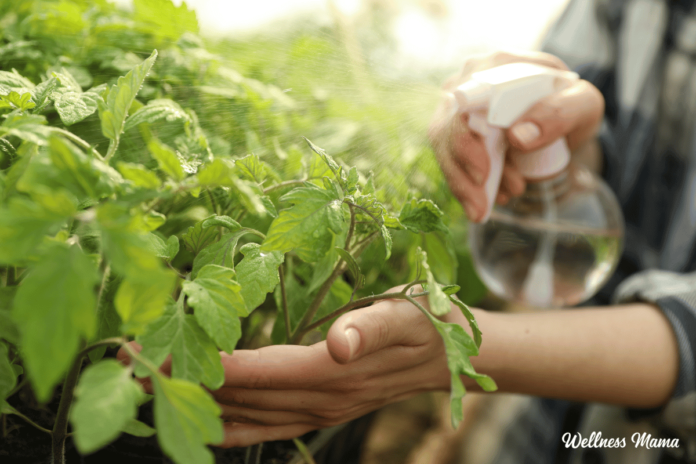
To use neem oil, mix a small amount with water (follow the directions on the packaging), and spray it directly onto the leaves, stems, and soil of your plants. Neem oil is gentle on plants and won’t harm beneficial insects when used correctly, but it can help combat pests such as aphids, caterpillars, and spider mites.
It’s also important to note that neem oil is biodegradable, which means it breaks down quickly in the environment, making it safe for both your garden and the ecosystem.
3. Diatomaceous Earth: A Natural Insect Barrier
Diatomaceous earth (DE) is a fine, powdery substance made from the fossilized remains of tiny aquatic organisms called diatoms. It’s a natural, non-toxic pest control method that can be used to manage a variety of garden pests, including ants, slugs, snails, and crawling insects like beetles.
When pests come into contact with diatomaceous earth, the microscopic particles cut through their exoskeletons, causing dehydration and eventually killing them. DE is completely safe for humans, pets, and plants, but it’s essential to use food-grade diatomaceous earth to ensure safety.
To use DE, simply sprinkle it around the base of your plants, especially those prone to slug and snail damage, and in areas where pests are likely to travel. It’s also effective when used around the perimeter of your garden to create a natural barrier.
4. Garlic and Hot Pepper Spray: DIY Pest Repellent
Another natural, homemade pest control solution is a garlic and hot pepper spray. Both garlic and hot peppers have strong scents and properties that many pests find unpleasant. Garlic contains sulfur compounds that repel aphids, mites, and other insects, while hot peppers can irritate the exoskeletons of many pests.
To make your own pest repellent spray, blend together a few cloves of garlic, a couple of hot peppers, and a tablespoon of dish soap in a blender with water. Strain the mixture and dilute it with more water, then spray it onto your plants. The strong aroma will deter pests while the soap helps the mixture stick to the leaves and stems.
Be cautious when applying this spray, as it can also deter beneficial insects. Test it on a small area of your plants first to ensure they don’t react negatively.
5. Attracting Beneficial Insects: Let Nature Do the Work
Instead of focusing solely on eliminating pests, another effective strategy is to encourage the presence of beneficial insects that naturally control pest populations. Ladybugs, lacewings, predatory beetles, and parasitic wasps are all beneficial insects that feed on harmful garden pests like aphids, whiteflies, and caterpillars.
To attract these helpful bugs, plant flowers such as dill, fennel, and yarrow, which serve as both nectar sources and natural habitats for these insects. You can also buy beneficial insects from garden centers and release them in your garden, allowing them to do the heavy lifting when it comes to pest control.
6. Physical Barriers: Protect Your Plants
Sometimes, the simplest solutions are the best. Physical barriers, like row covers, garden netting, and collars around the base of plants, can help prevent pests from accessing your crops. Row covers, which are lightweight, breathable fabrics, are especially useful for protecting your plants from flying insects like moths and beetles.
Garden netting, when placed over fruit trees or bushes, can protect against birds and other animals that might want to nibble on your produce. Additionally, using copper wire or mesh around your garden beds can act as a natural deterrent for slugs and snails, as they are repelled by copper.
7. Cultural Practices: Healthy Plants Are Pest-Resistant Plants
A proactive approach to pest control is ensuring that your plants are healthy and resilient. Pests are more likely to attack weak, stressed plants, so it’s essential to practice good garden care. This includes providing adequate watering, mulching to retain moisture, and rotating crops regularly to avoid the buildup of pest populations in the soil.
Additionally, ensure your plants are spaced properly to promote good air circulation and reduce the likelihood of disease. Healthy plants are much better at resisting pests and will naturally be less attractive to harmful insects.
8. Natural Traps and Baits
Setting natural traps and baits can be an effective and eco-friendly way to reduce pest populations. For example, beer traps are a popular method for controlling slugs and snails. Simply bury a shallow container in the soil and fill it with beer. Slugs are attracted to the yeast, and once they fall in, they drown.
For ants, mix equal parts of borax and sugar, place it in a small dish near ant trails, and let the ants carry it back to their colonies. The borax disrupts their digestive systems, ultimately killing them without harming the environment.
Conclusion: Embrace a Healthy, Eco-Friendly Garden
Pest control doesn’t have to mean resorting to toxic chemicals or harsh pesticides. By using natural, sustainable methods like companion planting, neem oil, diatomaceous earth, and physical barriers, you can protect your garden and its ecosystem. Whether you’re looking to support beneficial insects, promote plant health, or create homemade sprays and traps, there are numerous options available to keep your garden thriving.
By choosing these eco-friendly pest control methods, not only will you protect your plants, but you’ll also contribute to a healthier environment for yourself and future generations. A thriving, pest-free garden is within reach—without compromising on your values.