
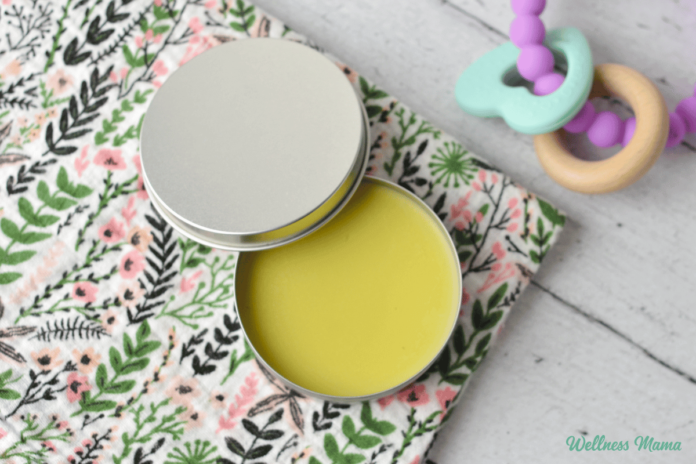
Breastfeeding is a beautiful and natural bonding experience, but for many new mothers, it can also come with its share of challenges. One of the most common issues many breastfeeding moms face is nipple discomfort. Whether it’s due to the initial learning curve of nursing or more serious conditions like cracked or sore nipples, it can be a painful experience that hinders the joy of breastfeeding.
Fortunately, the solution may be simpler than you think. Nursing balms and nipple creams have long been used as go-to remedies to alleviate pain and promote healing for nursing mothers. With a variety of products available, choosing the right one can make a world of difference in providing comfort and relief. Let’s dive into what makes these balms and creams so effective, what ingredients to look for, and how to use them to make your breastfeeding journey a bit easier.
Why Nipple Cream is Essential for Breastfeeding Mothers
Breastfeeding may seem like a natural, instinctive process, but it can sometimes take a little while for both the mother and baby to adjust to the mechanics. During those first few days or weeks, it’s not unusual for a new mother to experience discomfort as her body adapts. Sore, cracked, or even bleeding nipples can result from frequent feeding, an improper latch, or just the natural process of milk production.
This is where nursing balms and nipple creams come in. These products are specifically formulated to soothe, protect, and heal the delicate skin of the nipples and the surrounding areas. Whether you’re dealing with minor irritation or more severe discomfort, using the right product can help keep your skin moisturized, promote healing, and even prevent infection.
Key Ingredients to Look for in a Nursing Balm or Nipple Cream
When selecting a nipple cream or nursing balm, it’s essential to choose products that are both safe and effective. Since these creams will come into direct contact with your skin (and your baby’s mouth), the ingredients you use should be gentle and free from harmful chemicals.
Here are some of the best ingredients to look for when choosing a nipple balm:
1. Lanolin
Lanolin is one of the most widely recognized and effective ingredients in nipple creams. Derived from the wool of sheep, lanolin is a natural moisturizer that is both safe and soothing for sensitive skin. It helps to lock in moisture, reduce friction, and protect against further damage. Many nursing mothers swear by lanolin as it provides long-lasting hydration and aids in the healing of cracked and sore nipples.
However, some mothers may prefer to avoid lanolin if they have a sensitivity to wool or animal-derived products. If that’s the case, there are plenty of plant-based alternatives available.
2. Coconut Oil
Coconut oil is another excellent natural ingredient that’s commonly found in nursing balms. Its antibacterial and anti-inflammatory properties make it an ideal choice for soothing irritated skin. Coconut oil is also naturally hydrating and can deeply moisturize your skin without leaving a greasy residue. Its soothing properties make it particularly beneficial for healing cracked nipples and preventing further discomfort.
3. Shea Butter
Shea butter is another powerhouse ingredient that provides deep moisture and nourishment. Rich in vitamins A and E, shea butter is known for its ability to promote skin repair and soothe dryness. It’s especially helpful for protecting the skin from environmental stressors while creating a barrier against further irritation.
4. Beeswax
Beeswax is often used in natural nipple creams because it creates a protective barrier on the skin, helping to prevent moisture loss while also supporting the healing process. This wax is also rich in antioxidants and has antimicrobial properties that help keep the area clean and free of infection.
5. Aloe Vera
Aloe vera has long been a trusted ingredient for soothing burns, cuts, and irritation. It’s a cooling, hydrating agent that can ease discomfort, reduce inflammation, and promote faster healing. Aloe vera can be particularly useful for mothers dealing with sensitive or chafed skin around the nipples.
The Benefits of Using Nipple Cream
Using nipple creams or nursing balms offers several benefits for breastfeeding mothers. Here are some of the most notable advantages:
1. Pain Relief
The most obvious benefit is pain relief. Sore, cracked nipples can make breastfeeding feel unbearable. A good nipple balm will provide soothing moisture, reducing discomfort and making feeding sessions much more manageable.
2. Healing Properties
Nipple creams promote the healing of cracked and damaged skin. By keeping the skin moisturized and nourished, these balms encourage faster tissue regeneration and reduce the risk of further injury.
3. Preventing Infection
The skin on your nipples is delicate and can be prone to infections if left untreated. Many nipple creams contain antibacterial ingredients like coconut oil or beeswax, which help protect against bacteria, preventing possible infections that could make breastfeeding even more difficult.
4. Hydration and Protection
A quality nipple balm not only soothes the skin but also provides deep hydration. The moisturizing properties of the balm can prevent future dryness and cracking, creating a more comfortable breastfeeding experience in the long run. Additionally, the protective barrier helps to shield the skin from further irritation caused by friction or moisture.
How to Apply Nipple Cream
Proper application of nipple cream is key to getting the most benefit from it. Follow these simple steps to make sure you are using the balm effectively:
- Clean Your Nipples: Before applying any cream, make sure your nipples are clean and dry. Gently wash the area with warm water and pat it dry with a soft towel.
- Apply the Cream Sparingly: Take a small amount of cream and rub it gently over your nipples and the surrounding area. You don’t need to overapply – a thin layer will usually suffice.
- Allow the Cream to Absorb: Let the balm absorb into your skin for a few minutes before putting on your nursing bra or any clothing to avoid rubbing it off.
- Reapply as Needed: Apply the balm after each nursing session or when you feel discomfort. Regular use will help ensure ongoing relief and skin protection.
Additional Tips for Nipple Care During Breastfeeding
While nipple creams are essential for relief and healing, there are also other helpful practices to incorporate into your breastfeeding routine:
- Ensure a Proper Latch: One of the most common causes of nipple pain is an improper latch. Ensure your baby is latched on properly to avoid unnecessary pressure or friction on the nipple.
- Air Dry Between Feedings: After each feeding session, allow your nipples to air dry before covering them with clothing. This helps keep the area dry and reduces the risk of infection.
- Avoid Harsh Soaps: Use gentle, fragrance-free soaps when washing your body and avoid scrubbing your nipples too hard, as this can lead to dryness and irritation.
Conclusion
Breastfeeding should be a joyful experience, but it’s normal for new mothers to encounter challenges along the way. Nipple pain, especially during the early stages, is common but manageable with the right care. Using a high-quality nursing balm or nipple cream can provide soothing relief, promote healing, and protect your delicate skin from further damage. With the right ingredients and proper application, these creams can support both mother and baby on their breastfeeding journey, ensuring a more comfortable and rewarding experience.
Choosing a nipple cream that’s made from safe, natural ingredients can help provide comfort while ensuring that both you and your baby are protected.