
In the quest for better health and well-being, many people turn to trendy supplements, superfoods, or complicated detox routines. However, sometimes the simplest solutions can be the most effective. One such remedy that’s been gaining attention in wellness circles is sole water—pronounced “so-lay.” This humble drink, made by dissolving salt in water, is celebrated for its potential health benefits, from improving hydration to promoting detoxification. But is it really as beneficial as some claim?
In this article, we’ll explore what sole water is, how it’s made, and whether it’s worth incorporating into your daily routine.
What is Sole Water?
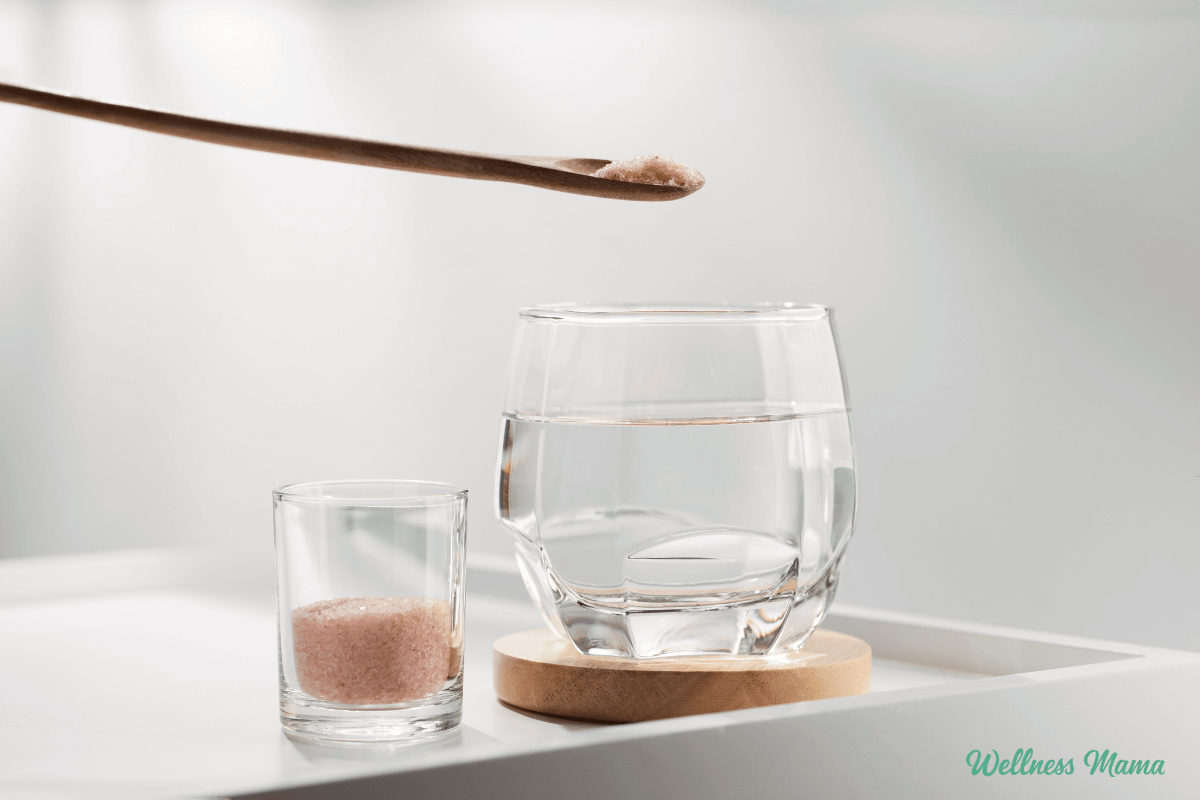
Sole water is a type of water that is saturated with salt, typically Himalayan pink salt. The word “sole” (pronounced “so-lay”) comes from the Latin word “sol” meaning “sun,” and refers to a solution of water and salt in its most natural, concentrated form. To make sole water, you add a few teaspoons of high-quality salt to a jar of water and allow it to dissolve until the water becomes fully saturated. The result is a mineral-rich solution that is packed with trace elements like magnesium, calcium, potassium, and iron, which are naturally found in Himalayan salt.
Unlike the typical table salt you might find in your kitchen, Himalayan pink salt is considered a more natural, less processed option. It retains a wider range of minerals, and proponents claim that it’s easier for the body to absorb and utilize these minerals, especially in a water solution.
How to Make Sole Water
Creating sole water is incredibly simple and requires very little time or effort. Here’s how you can make it at home:
- Choose Your Salt: Opt for high-quality, natural salt. Himalayan pink salt is the most common choice due to its rich mineral content, but you can also use other unrefined salts like Celtic sea salt or gray salt.
- Fill a Jar with Water: Use filtered or spring water for the best results. Fill a clean glass jar about three-quarters full with water.
- Add the Salt: Add 1-2 teaspoons of salt to the water, then stir. Over time, the water will absorb as much salt as it can, and you’ll notice that some salt may settle at the bottom of the jar.
- Let It Sit: Place the jar on your countertop for about 12 hours. This allows the salt to fully dissolve, creating a saturated solution. You’ll know the water is fully saturated when you see some undissolved salt at the bottom of the jar.
- Take Your Daily Dose: To use sole water, simply add a teaspoon or two to a glass of water and drink it in the morning, on an empty stomach, for best results. Some people prefer to take it in the evening before bed, but morning consumption seems to have the most benefits.
Health Benefits of Sole Water
While the practice of drinking sole water has been around for centuries, it’s only recently gained popularity due to its supposed health benefits. Here’s a breakdown of the potential advantages of drinking this salty water:
- Hydration Boost
Hydration is crucial for maintaining bodily functions, and the electrolytes found in sole water can help you stay hydrated. The minerals in Himalayan pink salt—such as potassium, sodium, and magnesium—are essential electrolytes that help balance fluid levels in your cells. When you drink sole water, you’re essentially replenishing your body with these important minerals, which can improve hydration and support overall health. - Supports Digestion
Sole water is often touted as a digestive aid. It’s believed that the minerals in the water can stimulate the production of digestive enzymes and bile, which may help improve the digestive process. This could make it easier for your body to break down and absorb nutrients, reducing issues like bloating, indigestion, and constipation. Some people also claim that drinking sole water in the morning helps clear up digestive discomfort and promotes regular bowel movements. - Balances Electrolytes
Maintaining a proper balance of electrolytes is key for many bodily functions, including muscle contractions, nerve signaling, and maintaining blood pressure. Sole water can help replenish electrolytes in a natural and balanced way. This is particularly beneficial after intense physical activity, when the body tends to lose electrolytes through sweat. If you’re feeling fatigued or sluggish, drinking sole water might help restore your electrolyte balance and increase your energy levels. - Promotes Detoxification
Himalayan pink salt is believed to have detoxifying properties. The minerals it contains can help your body remove waste products, heavy metals, and toxins. Some proponents suggest that drinking sole water regularly can assist the body’s natural detoxification process by flushing out these impurities. This may result in improved skin health, clearer complexion, and increased overall vitality. - Boosts Mineral Intake
Unlike regular table salt, which has been heavily processed and stripped of its beneficial minerals, Himalayan salt is rich in over 80 trace minerals, including magnesium, iron, and zinc. These minerals are essential for various bodily functions, from supporting the immune system to improving bone health. By drinking sole water, you’re helping your body absorb these minerals more efficiently, which can be especially helpful if you’re not getting enough minerals from your diet. - Alkalizing Effect
Sole water is also believed to have an alkalizing effect on the body. While the body is naturally equipped to maintain a healthy pH balance, modern diets high in processed foods, sugars, and animal products can make the body more acidic. The minerals in sole water can help neutralize this acidity, potentially reducing inflammation and promoting better overall health. An alkaline environment is thought to be more conducive to cellular health and can help prevent chronic diseases.
Potential Drawbacks
While the benefits of sole water are impressive, it’s important to keep in mind that moderation is key. Here are a few things to consider before jumping on the sole water bandwagon:
- Too Much Salt: Consuming too much salt, even from a natural source like Himalayan salt, can lead to negative health effects, including high blood pressure, dehydration, and kidney issues. It’s essential not to overdo it when drinking sole water. A teaspoon or two per day is generally sufficient for most people.
- Not a Substitute for Water: Sole water can help improve hydration, but it shouldn’t be your primary source of fluids. It’s important to continue drinking plain water throughout the day to stay properly hydrated.
- Potential Sensitivity to Sodium: People with kidney issues, high blood pressure, or a sensitivity to sodium should avoid drinking sole water, as it could exacerbate these conditions. Always consult with a healthcare professional before making changes to your diet.
Conclusion: Is Sole Water Worth Trying?
Sole water offers a simple, natural way to boost hydration, improve digestion, and replenish essential minerals. Its potential health benefits, including better electrolyte balance, enhanced detoxification, and improved digestion, make it a worthy addition to many wellness routines.
However, it’s important to approach sole water with caution and moderation, especially if you have certain health conditions. By incorporating sole water responsibly into a balanced diet, you may experience the subtle but powerful effects it can have on your overall well-being. Whether you’re looking for a morning ritual to jumpstart your day or a gentle detox method, sole water could be a natural solution worth considering.