
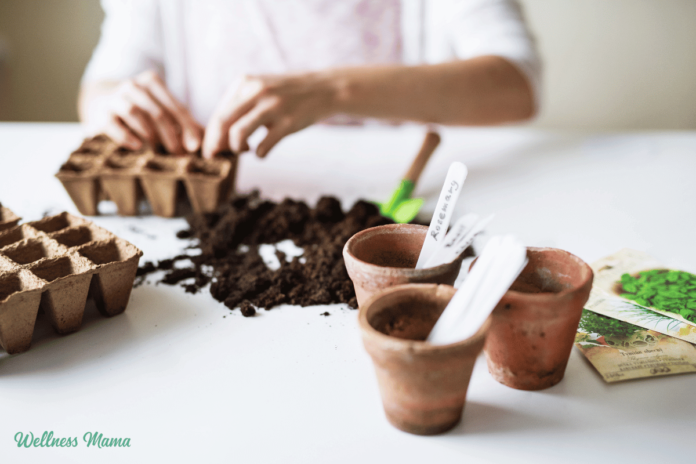
If you’ve ever tasted a fresh, sun-ripened tomato straight from the garden, you know there’s something extraordinary about homegrown produce. While the appeal of organic gardening has grown significantly in recent years, many people are still hesitant to make the switch from conventional gardening methods. But organic gardening isn’t just a passing trend—it offers numerous benefits, from improving soil health and promoting sustainability to enhancing the flavor and nutritional value of your food.
Whether you’re a seasoned gardener or just starting out, embracing organic practices in your garden can be both rewarding and beneficial. Let’s explore why organic gardening matters and how you can start growing your own healthy, vibrant plants, free from synthetic chemicals and pesticides.
What is Organic Gardening?
At its core, organic gardening is about working in harmony with nature to grow plants without relying on synthetic fertilizers, pesticides, or herbicides. It involves using natural methods to enrich the soil, control pests, and encourage biodiversity. Organic gardeners focus on building healthy soil through composting, crop rotation, and the use of organic fertilizers, such as compost, manure, and cover crops. By fostering a balanced ecosystem in your garden, you can create a thriving environment where plants grow naturally and sustainably.
Key Benefits of Organic Gardening
1. Healthier Soil
One of the most significant advantages of organic gardening is the improvement of soil health. Unlike conventional gardening, which often relies on chemical fertilizers and pesticides that can degrade soil over time, organic gardening nurtures the earth. Organic methods focus on enriching the soil with organic matter, which enhances its structure, water retention, and nutrient availability. This means that your plants have access to a wider range of essential nutrients, promoting healthier growth and better resilience against pests and disease.
Additionally, organic gardening methods encourage the growth of beneficial microorganisms, such as earthworms and fungi, that help break down organic matter and release nutrients. This process not only improves soil fertility but also helps to sequester carbon, reducing the garden’s overall environmental footprint.
2. Better Tasting Produce
If you’ve ever tasted a fresh, organic fruit or vegetable, you may have noticed the difference in flavor. Organic produce tends to be more flavorful, partly because the soil is healthier and plants are grown without the use of synthetic chemicals. In conventional gardening, plants are often fed with chemical fertilizers that encourage rapid growth, but this can result in vegetables and fruits that are less flavorful and have fewer nutrients.
Organic gardening, on the other hand, encourages plants to grow at their own pace. This slower growth often leads to deeper, richer flavors and better overall quality. Plus, organic produce tends to have higher concentrations of vitamins, minerals, and antioxidants, giving you a more nutrient-dense harvest.
3. Reduced Environmental Impact
By choosing organic gardening practices, you’re doing your part to reduce the environmental damage caused by synthetic chemicals. Chemical fertilizers, pesticides, and herbicides can leach into the groundwater, polluting nearby streams, rivers, and ecosystems. These chemicals can harm beneficial insects, birds, and other wildlife, contributing to the decline of biodiversity.
Organic gardening helps to mitigate these issues by promoting ecological balance. Instead of relying on harmful chemicals, organic gardeners use natural solutions like companion planting, mulching, and crop rotation to manage pests and weeds. These practices not only protect the environment but also support local pollinators, such as bees and butterflies, which are vital to the health of ecosystems and food production.
4. Biodiversity and Pest Control
A diverse garden is a healthy garden. Organic gardening promotes biodiversity by planting a variety of crops and creating an environment where beneficial insects and animals can thrive. Companion planting—growing different crops together that can help each other—creates a more resilient garden. For example, planting marigolds alongside tomatoes can help repel pests like aphids, while basil can enhance the flavor of your tomatoes and protect them from certain insects.
Additionally, organic gardening encourages the use of natural pest control methods, such as introducing ladybugs to eat aphids or using neem oil to deter unwanted insects. This approach helps maintain a balanced ecosystem, where pests are controlled without the need for toxic chemicals.
5. Supporting Local Ecosystems
When you grow your own organic food, you’re not only benefiting yourself but also contributing to local ecosystems. By planting native species, you can help preserve and support local wildlife, including pollinators, birds, and small mammals. Organic gardening often incorporates the principles of permaculture, which aims to create self-sustaining systems that work in harmony with nature.
Supporting biodiversity in your garden can also help mitigate the impact of climate change by promoting soil health and reducing water usage. Organic methods tend to improve the water retention capabilities of soil, reducing the need for frequent irrigation and helping to prevent erosion.
Getting Started with Organic Gardening
Transitioning to organic gardening doesn’t have to be overwhelming. Here are some tips to help you get started:
- Start Small: If you’re new to organic gardening, begin with a small plot or a few containers. This will allow you to experiment and learn without feeling overwhelmed.
- Focus on Soil Health: Healthy soil is the foundation of a successful organic garden. Start by enriching your soil with compost, mulch, and organic matter. Consider testing your soil to understand its pH and nutrient levels, and then amend it accordingly.
- Practice Crop Rotation: Avoid planting the same crops in the same spot year after year. Crop rotation helps to prevent soil depletion and reduces the risk of pest and disease buildup.
- Embrace Natural Pest Control: Learn about beneficial insects, such as ladybugs and lacewings, that can help control pests naturally. You can also use organic pest control options, such as diatomaceous earth or insecticidal soap, when needed.
- Use Organic Seeds and Plants: Start with organic seeds or seedlings to ensure that your garden remains chemical-free from the beginning. Many garden centers and online retailers offer a wide selection of organic seeds for vegetables, herbs, and flowers.
- Be Patient: Organic gardening requires patience, as it relies on natural processes rather than quick chemical solutions. Embrace the slower pace and enjoy the journey of growing your own food in a sustainable way.
Conclusion
Organic gardening is not just about growing food—it’s about fostering a healthier relationship with the earth and cultivating an ecosystem that benefits both you and the environment. From better soil health and more flavorful produce to a reduced environmental footprint and a thriving garden, the benefits of organic gardening are clear.
As you embark on your own organic gardening journey, remember that the most important step is to start with an open mind and a willingness to embrace natural, sustainable practices. Whether you’re gardening in a small backyard, a raised bed, or even on a balcony, there’s no better time than now to start reaping the rewards of growing your own food, naturally.