
As the days begin to cool and the leaves start to turn vibrant shades of red and gold, many gardeners find themselves packing away their tools and dreaming of next spring. However, fall is not just a time to prepare for winter—it’s also an ideal season to cultivate a thriving garden that can offer bountiful harvests well into the colder months.
A fall garden can be a rewarding and productive addition to your home, providing fresh produce, beautiful blooms, and even the chance to extend your growing season. Whether you’re a seasoned gardener or a beginner looking to grow your gardening skills, fall offers a unique opportunity to embrace the changing seasons and prepare for the future.
Here’s everything you need to know to create a flourishing fall garden that continues to yield beauty and nourishment throughout autumn and beyond.
Why Fall is the Perfect Time to Garden
While spring and summer may get the spotlight when it comes to gardening, fall holds its own charm and benefits. During this time of year, the soil still retains warmth from the summer sun, which encourages faster germination for certain plants. Furthermore, the cooler air and lower sunlight levels reduce the stress on plants, allowing them to grow and mature at a more leisurely pace.
Another significant advantage of fall gardening is the ability to grow cool-season crops that thrive in the milder temperatures. Leafy greens, root vegetables, and certain herbs do particularly well in the autumn months, making this a great time to plant for a late-season harvest. Additionally, fall gardens tend to experience fewer pests and disease outbreaks, giving your plants a better chance to thrive without the usual summer challenges.
Planning Your Fall Garden
Before you dive into planting, it’s important to take stock of what you want to achieve with your fall garden. Are you aiming for a harvest of fresh vegetables, or are you more interested in creating a colorful display of autumn flowers? Whatever your goal, the key to a successful fall garden is thoughtful planning.
- Choose the Right Plants for Fall
The most successful fall gardens revolve around crops that can withstand cooler temperatures. Some of the best vegetables and herbs to grow in the fall include:
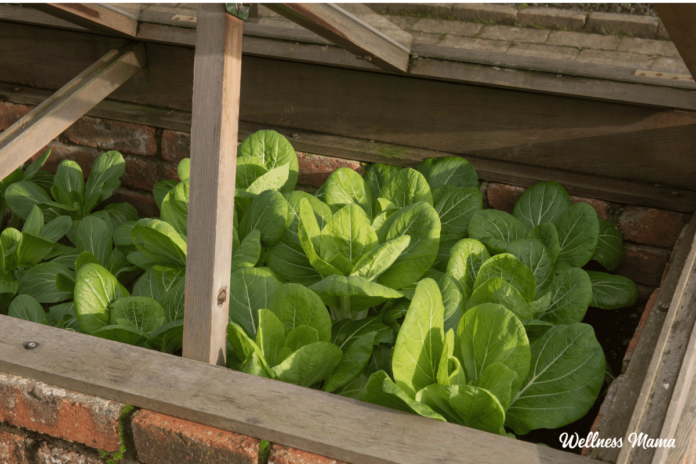
- Leafy greens: Spinach, kale, arugula, and lettuce thrive in cooler temperatures, and they grow quickly, meaning you can harvest them in as little as 30 days.
- Root vegetables: Carrots, radishes, turnips, and beets do well in the fall and can even tolerate light frosts, which helps sweeten their flavors.
- Brassicas: Broccoli, cauliflower, cabbage, and Brussels sprouts are all cold-hardy and do exceptionally well in fall gardens.
- Herbs: Parsley, cilantro, dill, and chives can continue growing well into fall and are easy to maintain.
Along with vegetables, consider adding some ornamental plants to brighten up the garden during the fall months. Mums, asters, and pansies are classic fall flowers that add vibrant color and texture to your garden beds.
- Timing is Everything
The timing of when you plant is critical in ensuring that your fall garden thrives. In general, you want to plant cool-season crops early enough to give them a head start before the first frost arrives. Keep an eye on your local frost dates to determine the best planting window for each plant. For instance, in temperate climates, late summer to early fall (around mid-August to early September) is ideal for sowing seeds for fall harvests.
If you’re planting crops that need to mature before the coldest weather hits, such as Brussels sprouts or cabbage, make sure to allow for enough growing time. Some varieties can take up to 90 days to mature, so you’ll need to plant them early in the fall season.
- Prepare the Soil
As with any garden, the soil is the foundation for success. To create a fall garden that yields healthy crops, start by ensuring your soil is nutrient-rich and well-drained. Fall soil tends to be a bit drier and harder, so it may require some preparation to ensure optimal growth conditions.
- Test the soil: Conduct a soil test to check its pH levels and nutrient content. If necessary, amend your soil with compost, organic matter, or a balanced fertilizer to provide your plants with the nutrients they need.
- Aerate the soil: If the soil feels compacted, use a garden fork or aerator to loosen it up. This will improve root growth and water drainage, which is crucial as the weather gets colder.
- Mulch: Adding a layer of mulch will help retain moisture, regulate soil temperature, and suppress weeds. Organic mulches such as straw, leaves, or wood chips are great options for fall gardens. Mulch will also help insulate the soil, protecting your plants from early frosts.
- Plan for Succession Planting
One of the most rewarding aspects of fall gardening is the ability to practice succession planting. This technique involves sowing seeds in intervals to ensure a continuous harvest over time. For example, you can plant a batch of lettuce every two to three weeks, ensuring that you always have fresh greens ready to harvest.
Succession planting is especially useful for crops that mature quickly, such as radishes, spinach, and mustard greens. By staggering your planting, you can keep your fall garden productive right up until the cold weather sets in.
- Consider Raised Beds or Containers
If you have limited space or poor soil conditions, raised beds or containers are a great way to maximize your fall gardening potential. Raised beds allow for better drainage and warmer soil, which helps your plants thrive during the cooler months. Containers also give you more control over soil conditions and offer flexibility in terms of placement.
Both raised beds and containers are ideal for crops like leafy greens, herbs, and root vegetables, and they can be easily moved to areas where they’ll receive the most sunlight. They also reduce the likelihood of soil compaction, which is particularly important during fall when the ground can be harder.
Care and Maintenance for Your Fall Garden
Once your fall garden is planted, maintaining it is relatively straightforward, especially since cooler temperatures generally mean less work. However, there are still a few things to keep in mind:
- Watering: Fall weather tends to be less hot and dry than summer, but plants still need regular watering. Aim to water deeply, ensuring that the moisture reaches the roots.
- Pruning: Some plants, like tomatoes or squash, may still produce fruit into the fall. Prune dead or dying leaves to promote healthy growth and reduce the risk of disease.
- Watch for Pests: While fall generally has fewer pests than the warmer months, it’s still important to keep an eye out for any troublemakers. Snails, aphids, and caterpillars may still show up, so use organic methods like neem oil or row covers to protect your crops.
Conclusion: A Rewarding Fall Garden Awaits
A fall garden offers a unique opportunity to enjoy the fruits of your labor during the cooler months while also preparing for the year ahead. By selecting the right plants, timing your sowing properly, and nurturing your soil, you can create a thriving garden that provides fresh, delicious produce well into the fall and winter. Whether you’re looking to extend your harvest season or simply enjoy the beauty of autumn blooms, a well-planned fall garden is a satisfying and sustainable way to connect with nature during this beautiful time of year. Happy planting!