
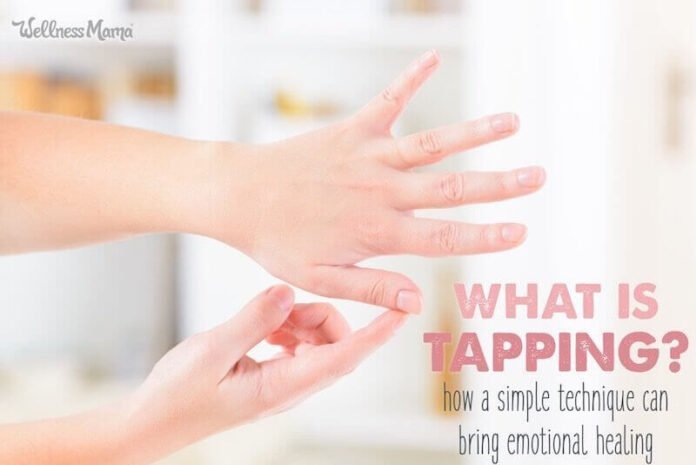
In today’s fast-paced, stress-filled world, many of us struggle to manage anxiety, emotional distress, or even chronic pain. While there’s no shortage of solutions, one technique that has gained considerable attention and popularity in recent years is Emotional Freedom Techniques (EFT) tapping. Often referred to as “tapping therapy,” this practice combines elements of acupuncture, psychology, and mindfulness to address emotional and physical issues in a holistic way. But what is EFT tapping, how does it work, and how can it benefit you?
What is EFT Tapping?
At its core, EFT tapping is a form of psychological acupressure. It involves gently tapping on specific points on the body, called acupoints, which are the same points used in acupuncture. These points are located along the body’s energy meridians, which are believed to be connected to various emotional and physical health conditions.
EFT tapping is based on the idea that negative emotions and stress block the body’s energy flow. By tapping on these acupoints while focusing on a particular issue—be it anxiety, fear, pain, or even a traumatic memory—you can help restore balance to your energy system and release the negative emotions that are causing discomfort. Unlike acupuncture, no needles are involved, just light tapping with your fingertips on these key meridian points.
How Does EFT Tapping Work?
EFT tapping works by combining physical tapping with mental focus. The process typically involves the following steps:
- Identify the Issue: Begin by identifying the specific issue or emotion you want to address, whether it’s a fear of public speaking, a memory that brings up sadness, or physical pain in a particular area of your body.
- Rate the Intensity: Before you start tapping, rate the intensity of the issue on a scale from 0 to 10, where 0 means no emotional charge and 10 represents the highest level of discomfort or distress.
- Set Up Statement: The next step involves stating the issue in a positive affirmation format. For example, “Even though I feel anxious about this presentation, I deeply and completely accept myself.” This helps to acknowledge the emotional discomfort while also affirming self-acceptance.
- Tapping Sequence: You will then tap on a series of acupoints on your face, upper body, and hands. As you tap, you continue to focus on the issue, repeating the set-up statement and allowing your mind to stay focused on the emotion or problem at hand. The points are tapped in a specific order to promote balance and healing.
- Reassess the Intensity: After completing the tapping sequence, re-rate the intensity of the emotion or discomfort on the 0 to 10 scale. If necessary, repeat the process until the intensity diminishes, ideally down to 0 or a manageable level.
The Benefits of EFT Tapping
The benefits of EFT tapping extend far beyond just emotional release. Here are some key areas where EFT tapping can help:
1. Emotional Well-Being
EFT tapping is often used to reduce the intensity of negative emotions such as anxiety, depression, anger, or fear. By tapping on acupoints while focusing on a troubling emotion, many individuals find that they are able to release pent-up emotional energy, leading to a sense of calm and emotional freedom.
In particular, EFT tapping has been shown to be effective in reducing symptoms of anxiety and stress. By tapping into the body’s energy system, it helps to release emotional blockages and restore balance, which in turn can create a sense of relief.
2. Pain Management
Physical pain can often be tied to unresolved emotional trauma or stress, and EFT tapping addresses this connection. By tapping on certain acupoints while focusing on the area of pain, many people experience a significant reduction in pain intensity. Studies have also shown that EFT can reduce the emotional distress associated with chronic pain, making it easier for individuals to manage their conditions.
While EFT is not a replacement for medical treatments, it can complement traditional therapies and provide relief from pain and discomfort, especially when the pain is related to stress or emotional tension.
3. Trauma and PTSD Relief
Many people turn to EFT tapping as a means of addressing past trauma or traumatic memories. Whether the trauma is recent or from many years ago, tapping can help reduce the emotional charge associated with these memories, allowing the individual to process and release them in a safe and non-intrusive manner.
By focusing on traumatic memories while tapping on acupoints, the individual can diminish the emotional reactivity to the trauma and create a sense of safety and peace. This makes EFT tapping an effective tool for those struggling with post-traumatic stress disorder (PTSD) or emotional trauma.
4. Improved Self-Confidence and Personal Growth
EFT tapping can also be used to improve self-esteem and boost confidence. Many people suffer from negative beliefs about themselves, such as feelings of inadequacy, fear of failure, or imposter syndrome. By tapping on acupoints while focusing on these limiting beliefs, individuals can begin to release these thoughts and replace them with more positive affirmations. This process helps to foster self-acceptance and encourages personal growth.
5. Support for Healthier Habits
EFT tapping can also help individuals overcome unhealthy habits like overeating, smoking, or procrastination. By addressing the emotional triggers behind these behaviors, EFT helps to reframe the emotions and beliefs that lead to these habits, making it easier for people to make healthier choices.
For example, someone struggling with emotional eating might tap on the acupoints while addressing feelings of stress, anxiety, or loneliness that lead them to turn to food for comfort. By doing so, they can reduce the emotional intensity and create space for healthier coping mechanisms.
Getting Started with EFT Tapping
If you’re new to EFT tapping, you might be wondering how to get started. Fortunately, it’s a simple and self-guided process that doesn’t require special equipment or training. Many resources, including books, videos, and online courses, offer step-by-step instructions on how to use EFT for a wide range of issues.
For beginners, it’s helpful to start with short tapping sessions focused on one issue at a time. Over time, you can become more comfortable with the technique and begin using it regularly to address a variety of emotional or physical concerns.
Final Thoughts
EFT tapping is a versatile and accessible tool that can bring profound benefits for emotional, physical, and psychological health. Whether you’re dealing with stress, anxiety, pain, or simply seeking to improve your well-being, EFT tapping offers a natural, effective way to tap into your body’s energy system and promote healing from the inside out. With regular practice, you may find that the benefits extend far beyond emotional relief, helping you live a more balanced, empowered, and peaceful life.
4o